Cost / License
- Free
- Open Source (MIT)
Application type
Since
- Since 2021
Alerts
- Discontinued
GitHub
- GitHub stars: 313

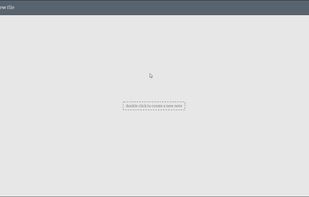


Bear is not available for Linux but there are plenty of alternatives that run on Linux with similar functionality. The best Linux alternative is Obsidian, which is free. If that doesn't suit you, our users have ranked more than 100 alternatives to Bear and loads of them are available for Linux so hopefully you can find a suitable replacement. Other interesting Linux alternatives to Bear are Anytype, Notesnook, Standard Notes and Zettlr.

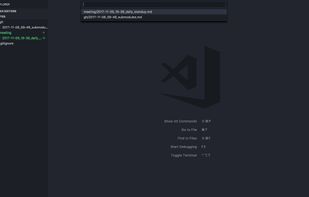
VSNotes is a Visual Studio Code extension.
VS Notes is a simple tool that takes care of the creation and management of plain text notes and harnesses the power of VS Code via the Command Palette.



 United Kingdom

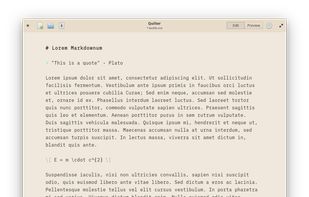
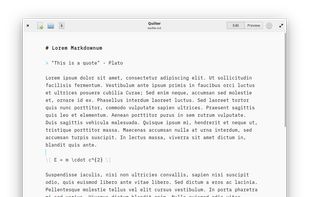
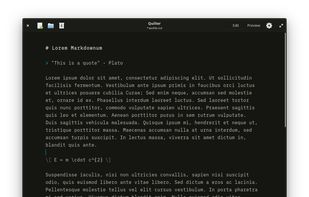


P3X OneNote Linux is, actually, an independent browser window for the online OneNote. You can use this program without having to clutter your browser. The main functions are:
 Hungary
 EU


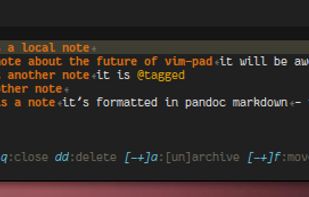
a quick notetaking plugin. Contribute to fmoralesc/vim-pad development by creating an account on GitHub.


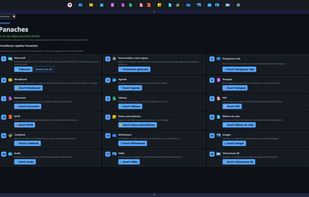
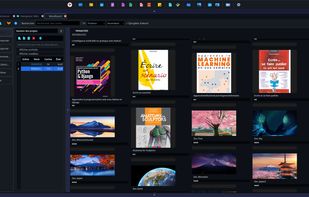
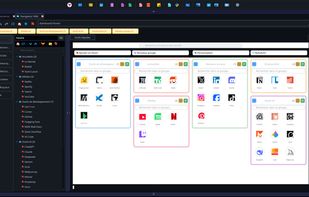
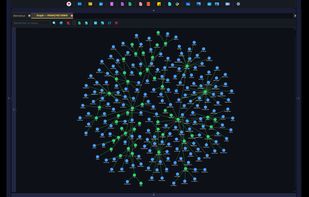
PANACHES is a local-first desktop workspace for makers, writers, developers and multidisciplinary creators.
 FranceEU


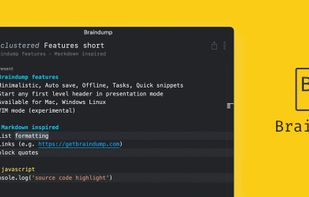
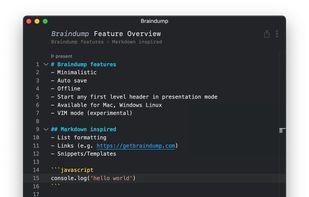
The digital notebook for developers, and makers. Ultra fast fuzzy search. Mouse or Keyboard only navigation. Pure markdown with auto formatting and indentation. Offline.
 GermanyEU


ERA is your go-to solution for streamlined note-taking and knowledge management. ERA makes it easier for you to write notes and documentation for your great projects. It was created to simplify your daily work.






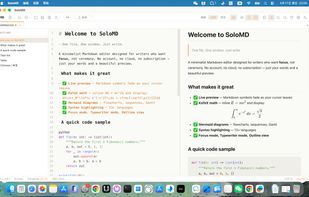
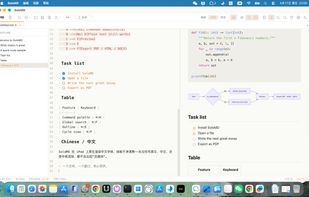
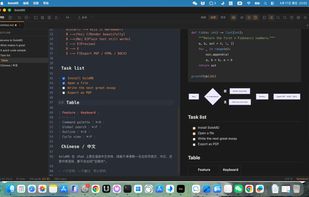
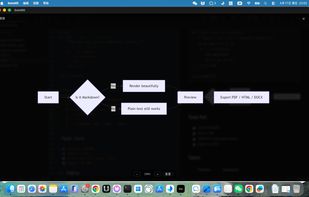
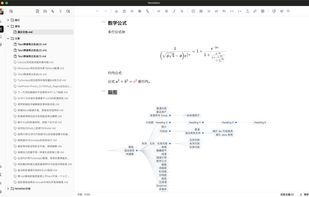
Free, open-source (MIT) Markdown editor with Typora-style live preview, math, diagrams, wiki links and PDF/Word/HTML export, for macOS, Windows, Linux, iOS and Android.


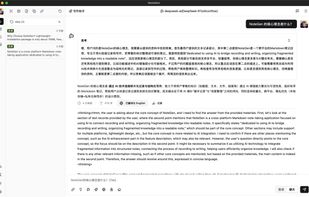
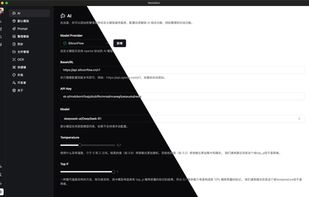
A cross-platform Markdown note-taking application dedicated to using AI to bridge recording and writing, organizing fragmented knowledge into a readable note.
 China

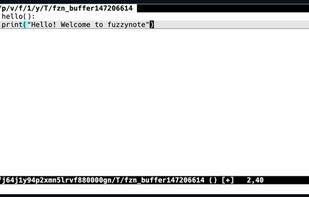
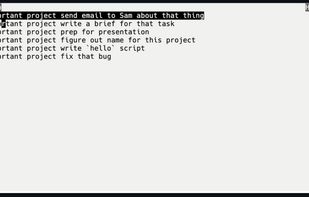
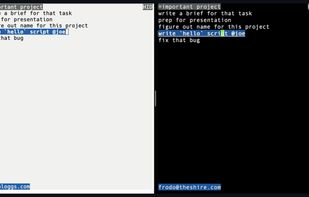
Terminal-based, hyper-fast, CRDT-backed, collaborative note-taking tool Simple, powerful, extremely fast search. fzn is local-first; remote-second. It acts on local in-memory data, meaning no expensive I/O and native speeds.
 SwedenEU