


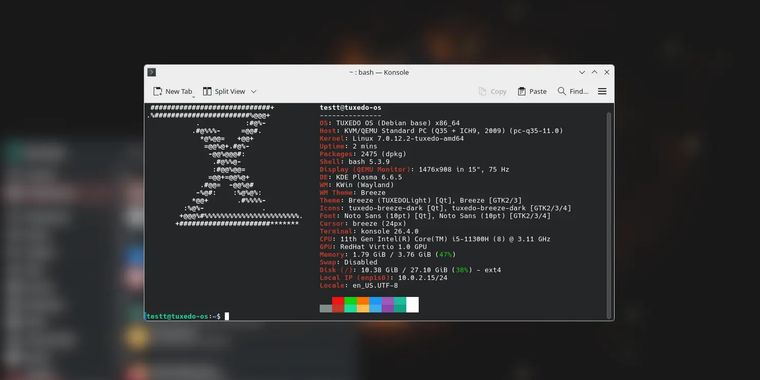

Linux distro TUXEDO OS switches from Ubuntu to Debian Testing and adopts Btrfs file system
TUXEDO OS, the Linux distribution tailored for TUXEDO computers, has shifted its underlying base from Ubuntu to Debian. This fundamental change enables greater flexibility for the distribution's release model and long-term technical freedom. While Debian 13 “Trixie” focuses on a conservative set of packages, TUXEDO OS will base its future versions on Debian Testing to ensure access to newer software.
Switching from Ubuntu is rooted in several technical and strategic concerns. These include difficulties with backporting recent software into Ubuntu Long Term Support (LTS) releases, Ubuntu's increasing focus on the Snap packaging system, challenges with library updates breaking compatibility, and Ubuntu's AI development roadmap. Debian, in contrast, operates under a community-driven model, providing a continuously updated foundation and removing reliance on a single company’s decisions.
To balance up-to-date software with stability, TUXEDO OS will retain its hybrid release strategy. Web browsers, the graphics stack including NVIDIA drivers, and the KDE Plasma desktop will receive rolling updates, while the system base stays stable and receives only selected changes and security updates.
Btrfs is now the default file system, enhanced by Snapper for automatic system snapshots and quick rollbacks. This means the system creates restore points automatically before any package operations, allowing users to revert to previous working states if issues arise. End-users can expect little change in daily experience, since Ubuntu already shares Debian’s package management fundamentals.
Following these foundational adjustments, a thorough beta testing phase will begin in the coming weeks.





- Linux Distro
- Free
- Open Source
Related news
External links
- A new foundation for TUXEDO OS: Switching to DebianTUXEDO Computers • Official source
- TUXEDO Computers Switching TUXEDO OS From Ubuntu To Debian TestingPhoronix
- TUXEDO OS Leaves Ubuntu Behind for a Debian Testing BaseLinuxiac
- TUXEDO Computers Plans to Rebase TUXEDO OS on Debian Testing9to5Linux
No comments so far, maybe you want to be first?