

Bitcoin is a peer-to-peer digital currency. Peer-to-peer (P2P) means that there is no central authority to issue new money or keep track of transactions. Instead, these tasks are managed collectively by the nodes of the network.
- Global




Bitcoin is a peer-to-peer digital currency. Peer-to-peer (P2P) means that there is no central authority to issue new money or keep track of transactions. Instead, these tasks are managed collectively by the nodes of the network.

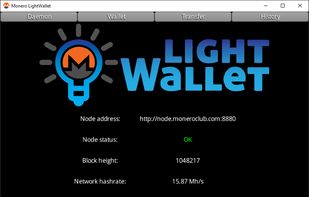
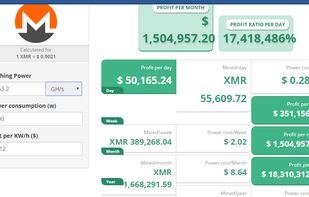
Monero is a digital currency that is secure, private, and untraceable. It is open-source and freely available to all. With Monero, you are your own bank. Only you control and are responsible for your funds, and your accounts and transactions are kept private from prying eyes.


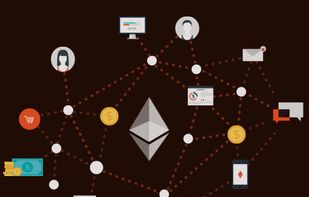
Ethereum is a decentralized platform that runs smart contracts: applications that run exactly as programmed without any possibility of downtime, censorship, fraud or third party interference.
 Canada



Zcash is the first open, permissionless cryptocurrency that can fully protect the privacy of transactions using zero-knowledge cryptography.
 United States


DASH is an open source peer-to-peer cryptocurrency that uses a system called Darksend to add privacy to transactions.


Dogecoin is an open source, decentralized, peer-to-peer cryptocurrency, favored by Shiba Inus worldwide.


Inherited from Telegram, the TON blockchain was designed to onboard billions of users. It boasts ultra-fast transactions, low fees, and easy-to-use native apps.


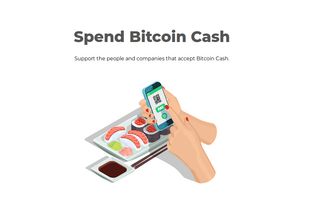
Bitcoin Cash is a peer-to-peer electronic cash system. It's a permissionless, decentralized cryptocurrency that requires no trusted third parties and no central bank.



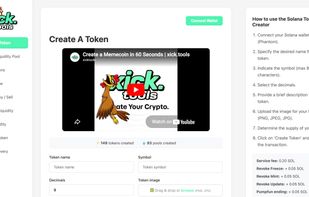
Browser-based Solana token launchpad. Create, clone, burn tokens, manage liquidity pools, and recover locked SOL — all from Phantom Wallet. No code needed.
 Germany
 EU


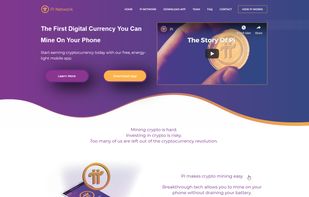
Pi is NOT free money. It is a long-term project whose success depends on the collective contributions of its members.
United States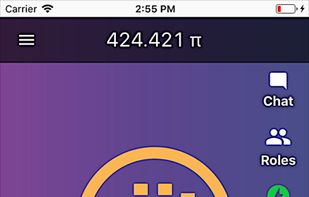




 Switzerland


