

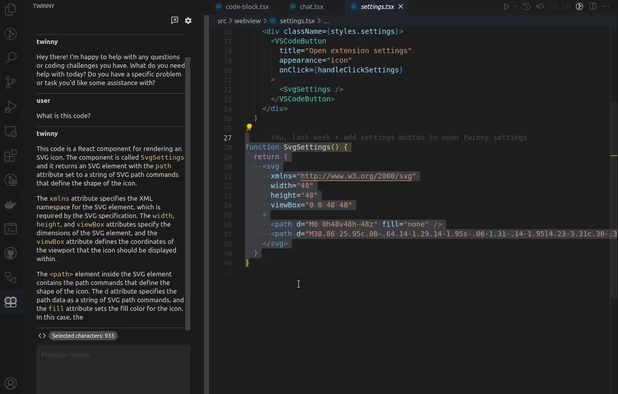
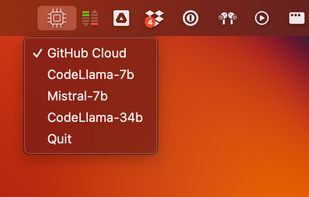
The most no-nonsense locally hosted (or API hosted) AI code completion plugin for Visual Studio Code, like GitHub Copilot but 100% free and 100% private.
Platforms
- Windows
- Mac
- Linux
- Visual Studio Code


vim-ai is described as 'Complete text, generate code and chat with GPT in Vim/Neovim using OpenAI' and is a ai coding assistant in the development category. There are more than 25 alternatives to vim-ai for a variety of platforms, including Mac, Windows, Linux, Visual Studio Code and Web-based apps. The best vim-ai alternative is Claude Code. It's not free, so if you're looking for a free alternative, you could try Cursor or Void. Other great apps like vim-ai are Codex, GitHub Copilot, Jules and Cline.
The most no-nonsense locally hosted (or API hosted) AI code completion plugin for Visual Studio Code, like GitHub Copilot but 100% free and 100% private.

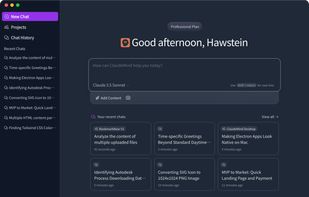
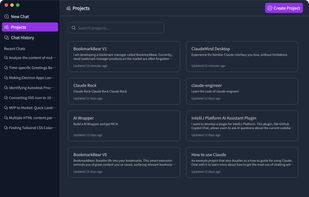
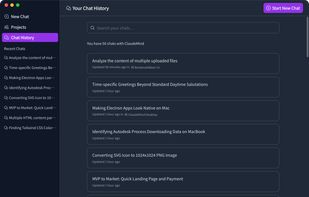
Experience powerful AI without limits. Use our desktop app for everyday AI assistance, or boost your coding productivity with our JetBrains plugin.


 United States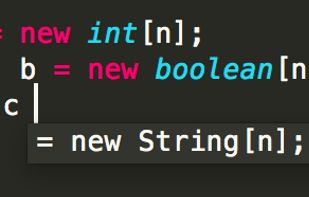
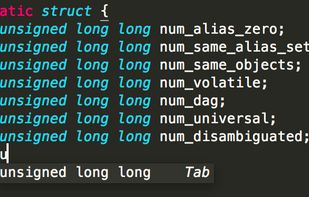
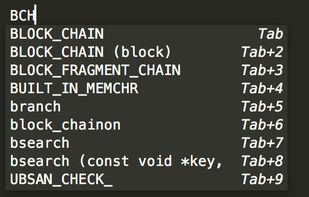


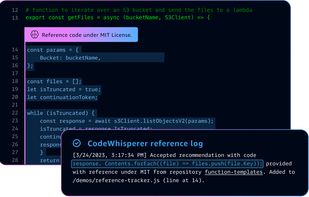
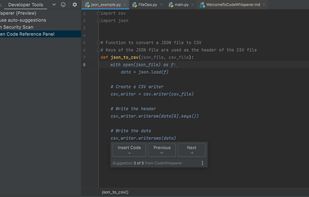
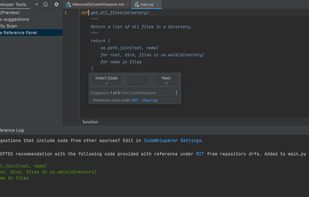
Amazon CodeWhisperer is a general purpose, machine learning-powered code generator that provides you with code recommendations in real time. As you write code, CodeWhisperer automatically generates suggestions based on your existing code and comments.
United States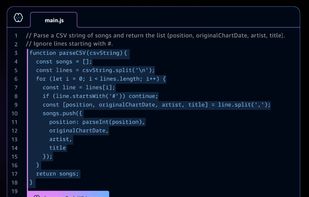


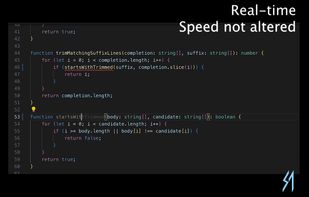
Supermaven is a coding assistant that uses AI to help you write code faster. Breeze through code refactoring with Supermaven's fast and accurate suggestions.
United States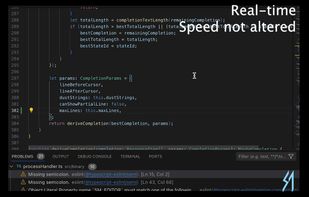


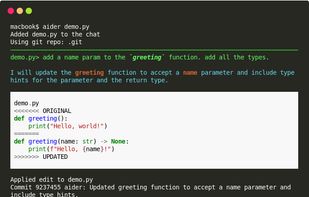
Aider is a command line tool that lets you pair program with GPT-3.5/GPT-4, to edit code stored in your local git repository. Aider will directly edit the code in your local source files, and git commit the changes with sensible commit messages.




Sweep is an AI junior developer that turns bugs and feature requests into code changes. Sweep automatically handles devex improvements like adding typehints/improving test coverage. 🤖
United States



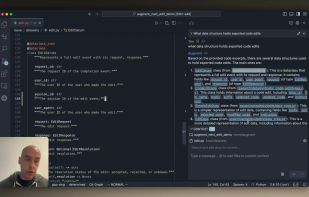
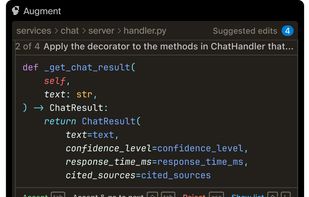
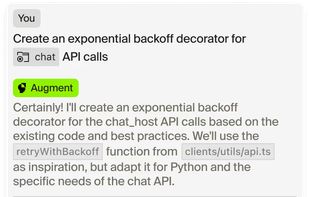
Enhances developer collaboration by providing codebase-aware chat, intuitive code suggestions, and advanced AI-driven explanations; accelerates coding tasks, assists in understanding unseen code structures, improving communication vastly within teams.


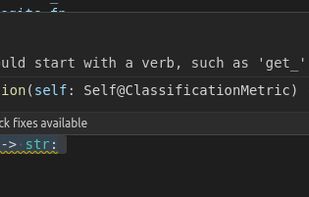
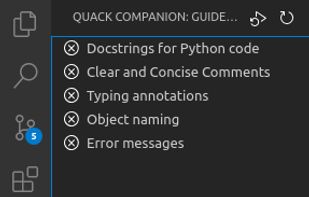
Quack AI is your companion for software team alignment. Streamline collaboration and improve productivity.
United States
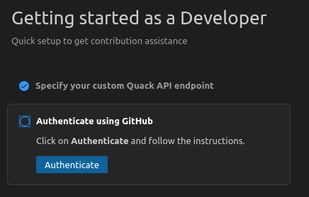


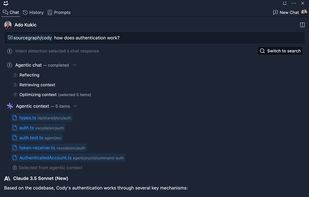
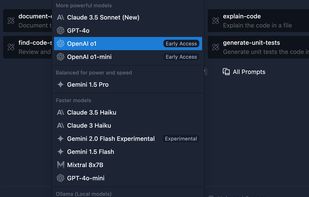
Comprehensive AI coding assistant for writing, fixing, and maintaining code by leveraging the entire codebase and code graph. Integrates with various IDEs, providing features like AI chat, autocomplete, and inline edit, and promotes team productivity.
United States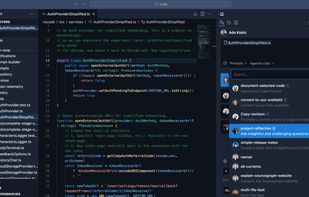


CodiumAI’s first tool is an IDE extension that interacts with the developer to generate meaningful tests and code explanations for busy devs.
 Israel