





UseInkWell
1 like
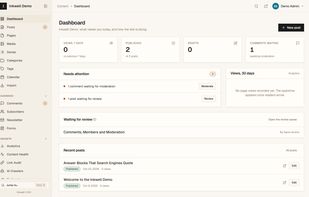
Free, open-source, self-hosted .NET blogging platform. Multi-tenant, themeable, no telemetry, GDPR-friendly. MIT licensed.

Cost / License
- Free
- Open Source (MIT)
Application typeApplication types
Since
- New
Updated
- Updated Nov 2026
Releases
- 9 releases last year9 last year
Platforms
- Self-Hosted
- Docker


Features

Highlights All activities
UseInkWell News & Activities
Recent activities
- useinkwellapp updated UseInkWell
- useinkwellapp added UseInkWell
- Paul updated UseInkWell
- useinkwellapp updated UseInkWell
- useinkwellapp updated UseInkWell
- useinkwellapp A comment was removed from UseInkWell
- useinkwellapp updated UseInkWell
- useinkwellapp liked UseInkWell
 useinkwellapp added UseInkWell as alternative to WordPress, Ghost, Hugo, Blogger and 7 more


Developed by
PixoBotsLicensing
Open Source (MIT) and Free product.Written in
Alternatives
11 alternatives listedBadge
Get an embeddable badge for UseInkWellSupported Languages
AlternativeTo Categories
Business & Commerce, Development, Online Services, Security & Privacy, Social & CommunicationsGitHub repository
- 5 Stars
- 3 Forks
- 1 Open Issues
- Updated


No comments or reviews, maybe you want to be first?