
unoMail icon
unoMail icon

unoMail

 Like

A self-hosted, rust-based mail server with a web client and an administration panel, shipped as a single Docker container. Alternative for poste.io and Mailcow. Vibecoded!.
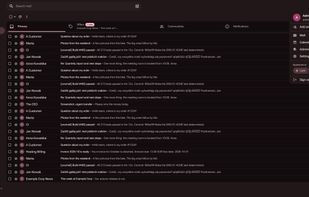
Inbox view

Cost / License

Since

  • New

Updated

  • Updated Oct 2026

Platforms

  • Self-Hosted
  • Docker
0likes
0articles
Save

Features

Features

Highlights All activities

unoMail News & Activities

Recent activities

unoMail information

AlternativeTo Categories

Development, Office & Productivity, Online Services

GitHub repository

  •  0 Stars
  •  0 Forks
  •  1 Open Issues
  •   Updated  
View on GitHub
unoMail was added to AlternativeTo by rikodev on and this page was last updated .

No comments or reviews, maybe you want to be first?

Official Links

What is unoMail?

unoMail is an open-source, self-hosted email platform built with Rust and React. It combines a complete mail server, modern webmail client, and administration panel in a single Docker container.

Designed for individuals, developers, and organizations, unoMail provides everything needed to host and manage email without relying on third-party providers or maintaining multiple separate services.

The platform supports SMTP, IMAP, POP3, and JMAP, alongside a modern webmail interface with threaded conversations, labels, advanced search, scheduled sending, snoozing, and multiple account support. Integrated calendars and contacts provide CalDAV and CardDAV compatibility.

unoMail also includes AI-powered features such as email summarization, translation, and suggested replies, with support for OpenAI-compatible providers, Anthropic, Gemini, and local models through Ollama.

Security features include two-factor authentication, passkeys, OpenPGP, S/MIME, and encrypted connections. Spam filtering and malware detection are handled through Rspamd and ClamAV integration.

A built-in administration panel allows administrators to manage domains, mailboxes, aliases, DNS records, TLS certificates, delivery queues, and server settings. Deployment is handled through Docker, with support for automatic certificates, backups, monitoring, and optional S3 storage.