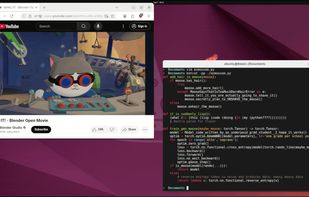


You're already running two compositors. Why not make it one? Your desktop lays out websites, native windows are DOM elements, and Chromium is the compositor. May God have mercy on our souls.
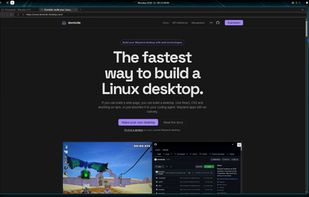

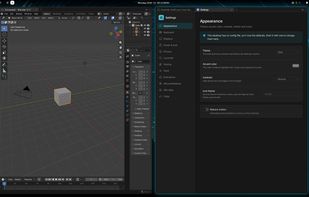





You're already running two compositors. Why not make it one? Your desktop lays out websites, native windows are DOM elements, and Chromium is the compositor. May God have mercy on our souls.

Lumina is a lightweight, BSD licensed, standards-compliant desktop environment based upon Qt and Fluxbox. It is being developed on PC-BSD, and is being packaged for distribution on the PC-BSD package repository as well.


dwm is a dynamic window manager for X. It manages windows in tiled, monocle and floating layouts. All of the layouts can be applied dynamically, optimising the environment for the application in use and the task performed.
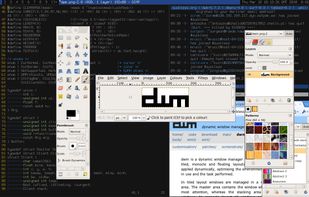


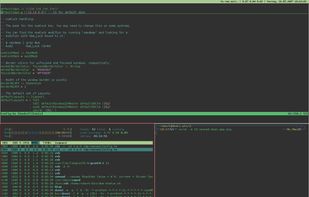
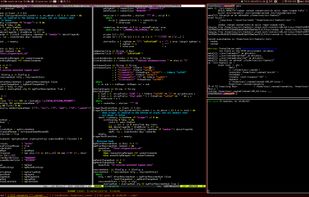
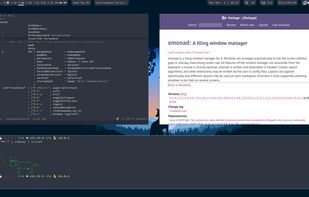
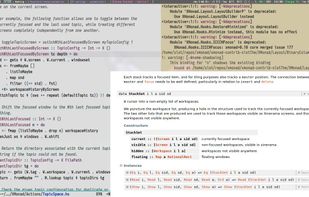
xmonad is a dynamically tiling X11 window manager that is written and configured in Haskell. In a normal WM, you spend half your time aligning and searching for windows. xmonad makes work easier, by automating this.

bug.n is a tiling window manager add-on for Microsoft Windows. It is written in the scripting language AutoHotkey.

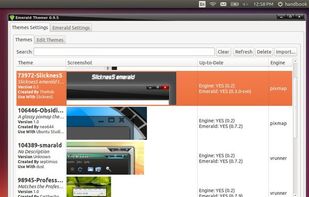
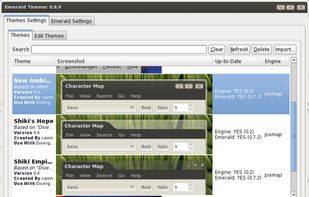
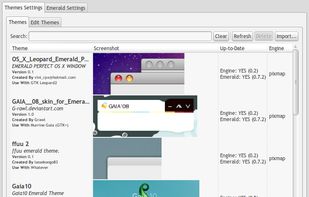
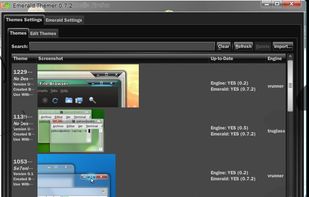
The Emerald Theme Manager allows you to install, edit and switch between Emerald themes. In order for it to work, select Emerald as your window decorator. You will also need to enable the Window Decorations plugin (via CCSM).


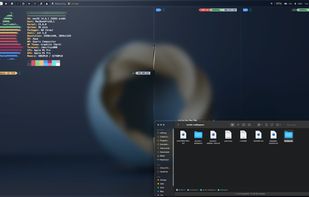
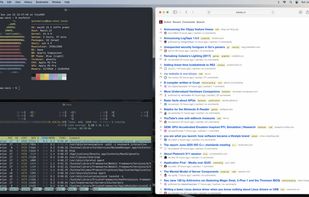
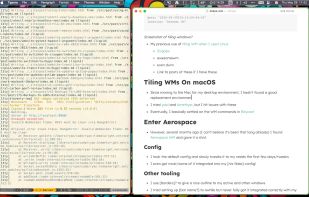


spectrwm is a small dynamic tiling window manager for X11. It tries to stay out of the way so that valuable screen real estate can be used for much more important stuff. It has sane defaults and does not require one to learn a language to do any configuration.
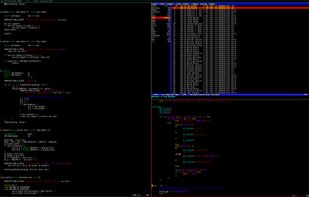
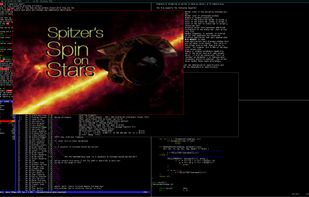
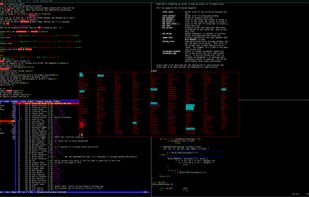


hikari [ja. Light] is a stacking Wayland compositor which is actively developed on FreeBSD but also supports Linux.
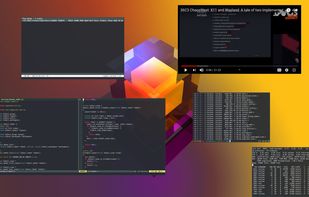
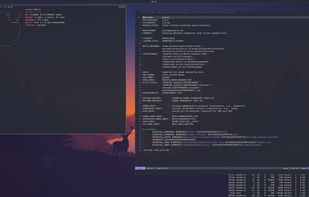
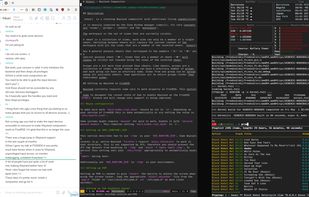
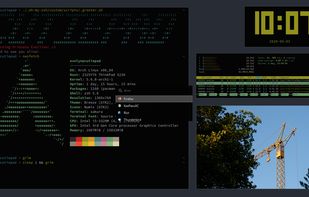


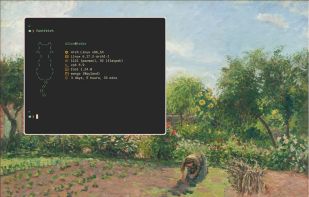


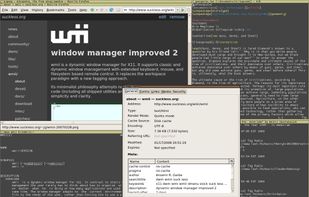
wmii is a small, dynamic window manager for X11. It is scriptable, has a 9p filesystem interface and supports classic and tiling (acme-like) window management. It aims to maintain a small and clean (read hackable and beautiful) codebase.