





Sourcey
3 likes
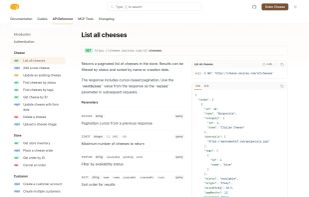
Sourcey builds modern static documentation sites directly from the source of your project. It turns Markdown guides, OpenAPI specs, MCP server specs, Doxygen XML, Go package docs, changelogs, examples, and other project context into fast, searchable HTML that you own.

Cost / License
- Free
- Open Source (AGPL-3.0)
Platforms
- Mac
- Windows
- Self-Hosted
- Docker
- Linux
- Homebrew
- JavaScript
- Typescript
- npm

Features
Sourcey News & Activities
Highlights All activities
Recent activities
 Ghosts added Sourcey as alternative to Moxie Docs
- Wierzciu liked Sourcey
- niksavc liked Sourcey
- Kam Low liked Sourcey
- Paul updated Sourcey
- Kam Low added Sourcey
- Kam Low thinks Support for MarkDown is a important feature of Sourcey
- Kam Low thinks Model Context Protocol (MCP) Support is a important feature of Sourcey
 Kam Low added Sourcey as alternative to GitBook, Docusaurus, Archivy, Doxygen and 44 more


Sourcey information
Developed by
0stateLicensing
Open Source (AGPL-3.0) and Free product.Written in
Alternatives
51 alternatives listedBadge
Get an embeddable badge for SourceySupported Languages

AlternativeTo Category
AI Tools & ServicesGitHub repository
- 1,371 Stars
- 333 Forks
- 12 Open Issues
- Updated


No comments or reviews, maybe you want to be first?