The Sensory Intelligence Lab is a hybrid wellness platform: a home base for your ongoing practice. It combines self-guided sound wellness tools and creative practice with optional one-to-one music therapy, offering an approach that supports both independence and sustained therapeutic relationship. Everything lives in one place, so that nothing gets lost in the gaps.
For regulation and self-awareness: a Regulation Engine that generates personalised soundscapes using the iso principle — meeting your current physiological state and guiding you toward where you want to be, whether that's calm, focus, or sleep. Breathing exercises grounded in evidence-based practice for anxiety, stress, and nervous system regulation. A daily check-in that builds a picture of your patterns over time: your energy, your mood, your sensory load, the words that keep coming up. A timed journal with soundscapes and prompts designed to support consistent mindfulness practice.
For training and perception: ear training, spatial awareness, and listening exercises designed to develop auditory attention and sensitivity. These are the kinds of perceptual skills that music therapists spend years cultivating — and the hope is to make them accessible to anyone, particularly those who want to understand how sensory experience affects their nervous system.
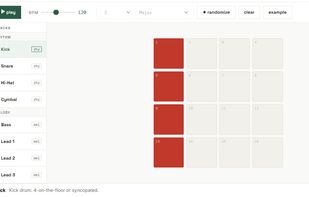
For creative practice: sound art and composition tools with guided modules designed for people who want to make music but don't know where to start. Structured explorations of a creative process, with education about the compositional techniques of experimental musicians, and a way to explore it yourself with no prior experience required.
For the ongoing relationship: memberships can include scheduled video sessions with me, at rates designed to make sustained engagement possible. But the point is not the sessions alone. It is what connects them — the record of what you've been working on, what you've noticed, what you've made, so that we can begin each conversation from where things actually are, and build on it rather than reconstruct it.





 EU
EU


 Jordan Elias added Sensory Intelligence Lab as alternative to Calm, Noice, Lumia, Headspace and 7 more
 Jordan Elias

No comments or reviews, maybe you want to be first?