Respan is an LLM engineering platform for teams running AI agents in front of real users.
The usual setup is a pile of disconnected tools. Tracing in one place, evals in another, prompts in a spreadsheet, a router for model calls. When an agent does something wrong, you end up jumping between dashboards and matching timestamps by hand to reconstruct what happened. Respan collapses that into one platform: observability, evaluations, prompt management, and an AI gateway, all reading from the same data.
The trace is the anchor. Respan records every prompt, tool call, model response, and reasoning step in a single request tree. That matters more for agents than for chatbots, because an agent rarely fails on one bad answer. It fails on a tool it should not have called, a step that ran out of order, or a piece of context it dropped four turns back. A flat log hides that. A trace shows it.
Evals run on those same traces, so a score is never a floating number. It points at a specific run you can open. You can catch a regression, confirm whether a prompt change actually helped, and see the exact request that failed, all in the same view. Prompt versions live here too, and the gateway routes across model providers through one endpoint with fallbacks and spend limits.
Keeping these together is the whole point. A trace, its eval score, and the model call behind it are one linked object. You click from a failing eval to the run that caused it instead of exporting between tools. That is the difference between noticing a problem and understanding it.
Respan suits a solo builder debugging their first agent and a team managing spend across hundreds of thousands of calls. Support agents, coding assistants, RAG pipelines, scheduled jobs that hit a model without anyone watching, all fit.






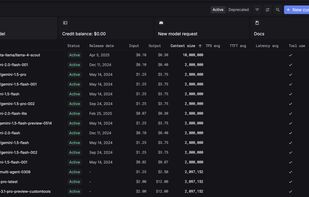


 Respan AI

No comments or reviews, maybe you want to be first?