Platforms
- Online


Sites and apps similar to Pulsetic include Uptime Kuma, which is free and open source. Other options are Better Stack, UptimeRobot, Tianji and Pingdom. You're spoiled for choice with Website Monitoring Tools like Pulsetic: we list more than 100 alternatives for self-hosting, Windows, Linux, Mac and Android.

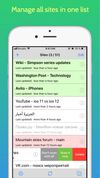
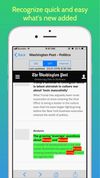
Sites Watcher checks web pages that interest you for changes. When changes are found, Sites Watcher will show you current page version with highlighted updates.



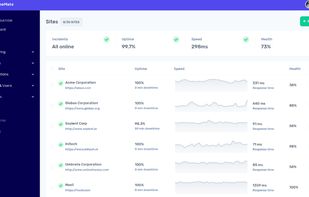
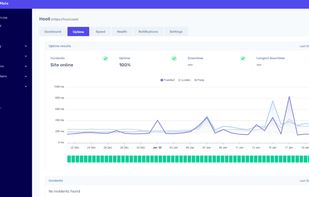
UptimeMate helps you to find technical issues on your websites and makes sure that you are the first to know.
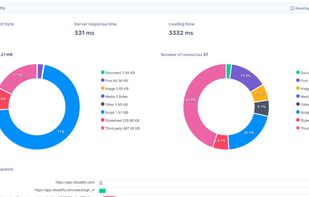


Netthrob runs automated verification checks on your website every three minutes from five different geographies and immediately informs you through Phone, SMS & Email when your site goes down.


Silent Down is a website uptime and performance monitoring platform, to keep an eye on your application and instantly alert you if any issues arrive.
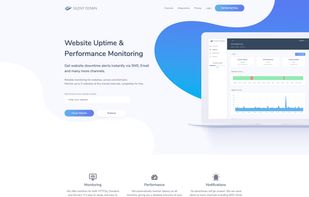
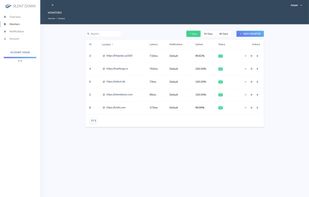
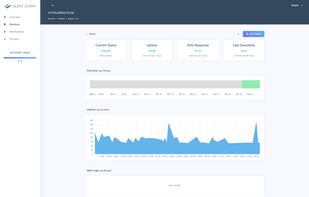
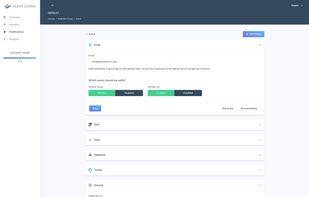


Proactively monitor your websites and online services. Receive immediate notification when a problem is detected so you can quickly resolve the root cause and prevent potential escalation.
 Slovenia
 EU
EU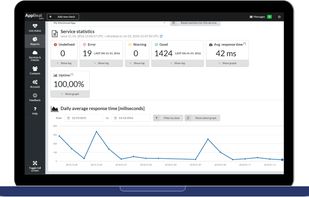

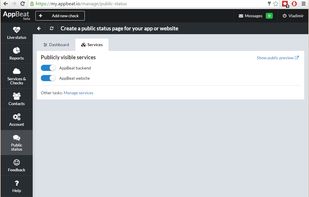
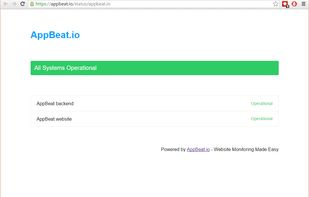


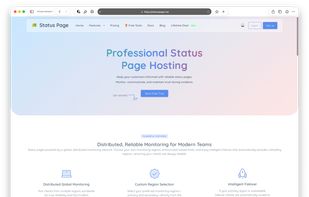
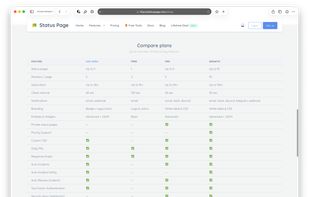
StatusPage.me helps teams detect downtime and keep customers informed without scrambling to publish updates during an outage.
 Serbia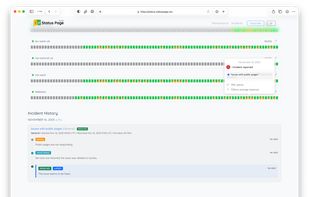



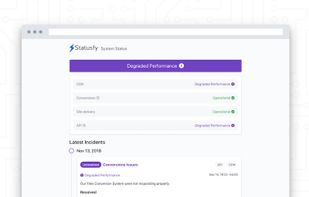
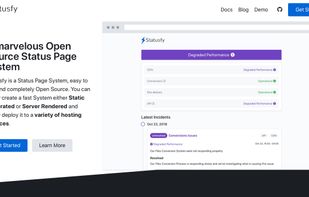
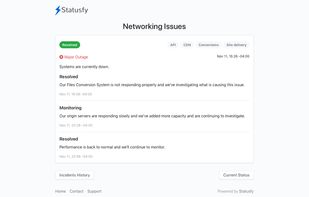
Statusfy is a Status Page System, completely Open Source, easy to use and deploy to a variety of hosting services. The goal behind is to lower costs and complexity providing a simpler and versatile Open Source alternative.


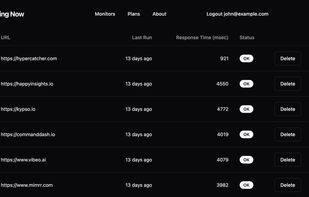
Ping Now is an uptime monitoring service that notifies you when your website, API or service is down.
You give us a list of URLs and we'll check them regularly. If there’s an error, we will notify you by email.
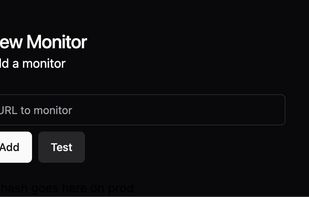
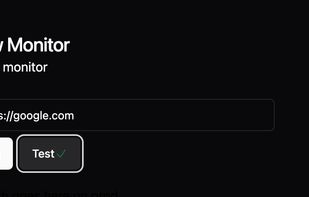


Sophisticated Uptime Monitoring for your Apps, DBs, IT systems, and business services. Get pro-active alerts and fix incidents with ease without the noise.
 United States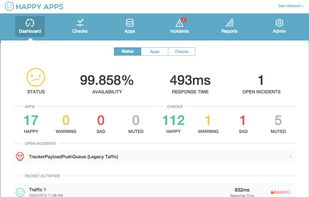


Kingping is an uptime monitor that monitors your stuff in the cloud. Every minute of every day.
 SwedenEU



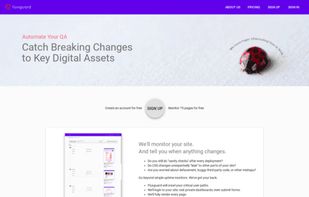
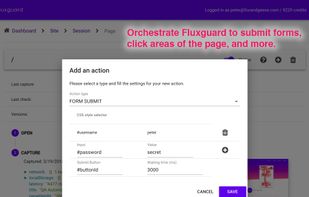
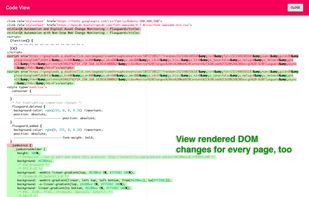
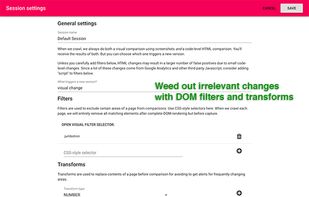
Fluxguard uses Google headless Chrome to monitor entire sites for changes. It provides 3 different levels of change monitoring, pixel change detecting comparing screenshots, code-level comparison of the rendered DOM, and extracted text comparison.