Pomodoro Smart Timer is a personal assistant and tracker to help you study, train and work based on Pomodoro technique.
Cost / License
- Freemium
- Proprietary
Application type
Platforms
- Android


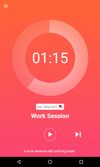

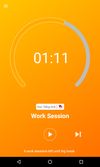


Pomodoro Logger has been discontinued. Similar apps include Super Productivity, which is free and open source. Other options are Pomodorolm, Tomato Pomodoro, Pomatez and Presto Time Tracking. Pomodoro Timers like Pomodoro Logger are a crowded field, with more than 50 alternatives for Mac, the web, Windows, Linux and iPhone.
Pomodoro Smart Timer is a personal assistant and tracker to help you study, train and work based on Pomodoro technique.

Want to avoid phone distractions? Select any amount of money that motivates you and start a timer. Put your phone down and stay on task. If you leave the app Brutu will charge you. You can still receive phone calls or swipe to the notification center.


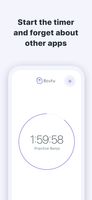


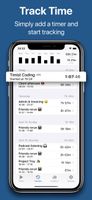
Timist combines the unique Timist Session System with time tracking. You can create different timers and track the time for each of them. It also lets you break your time down into concrete intervals, separated by short breaks.
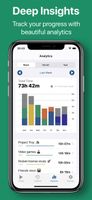
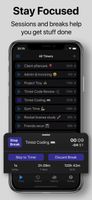



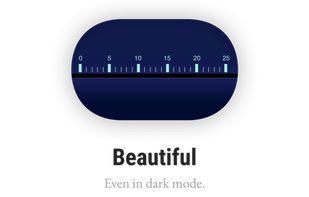
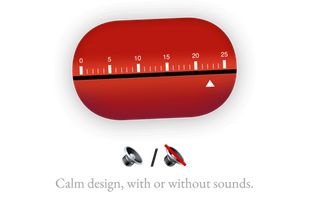


What's a pomodoro timer? If you're new to the Pomodoro Technique, it's a common time management strategy comprised of doing short periods of work, and taking small breaks between them.
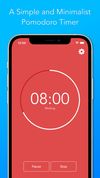
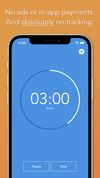
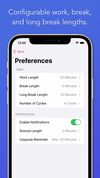


Energize is a beautiful focus timer made for iPhone, iPad and Apple Watch, with seamless, perfect sync through iCloud, and just a little bit of sci-fi touch.
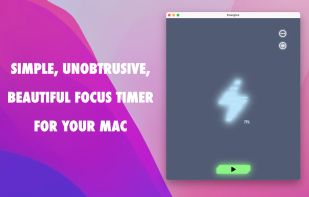
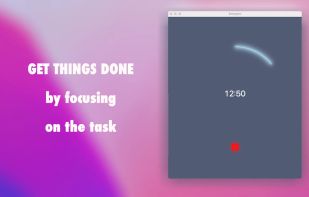
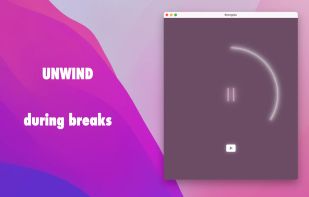


Tomato 2 is a simple application for increasing personal productivity. Work for 25 minutes, take a 5 minute break, then repeat.
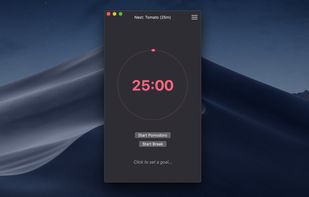
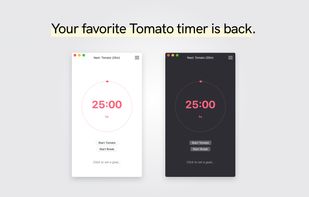
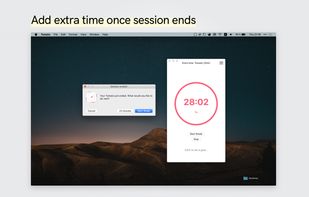
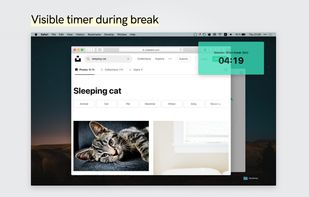

A clean focus timer built for people who spend hours at a desk. It helps you stay productive while protecting your neck, back, and energy by guiding you through structured focus and break cycles.
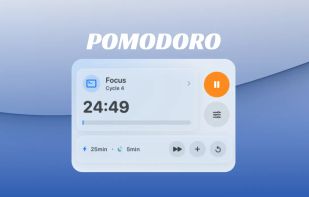
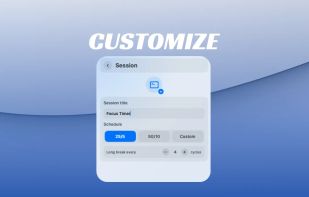


The pomodoro timer that keeps your body moving. Take exercise breaks between focus sessions and build healthy habits while staying productive.
 Spain
Spain EU
EU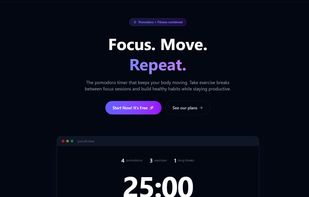

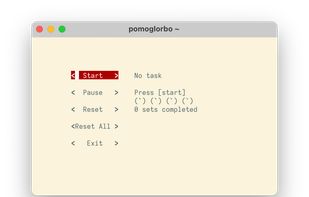
A Pomodoro Technique timer for your terminal! Runs over SSH! A bell rings when your Pomodoro is over!

 Brazil


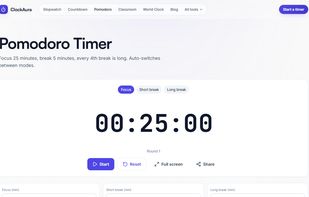
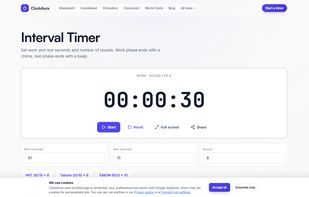
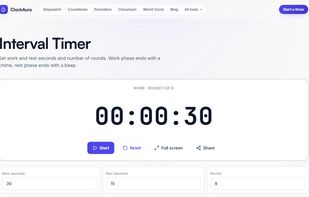
ClockAura is a free hub of online timers that work in any browser with no sign-up and nothing to download. It includes a Pomodoro timer with auto-cycling focus and break rounds, countdown timers, a stopwatch, HIIT/Tabata interval timers, an egg timer, a full-screen classroom...