


Osiris
4 likes
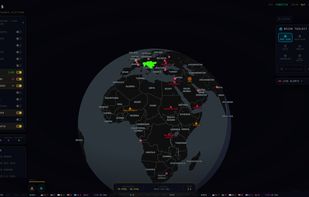
A real-time global intelligence dashboard that aggregates live flight tracking, CCTV networks, earthquake monitoring, conflict zone mapping, and 24/7 news feeds into a single GPU-accelerated interface.

Cost / License
- Free
- Open Source (MIT)
Platforms
- Online
- Self-Hosted
Features
Highlights All activities
Osiris News & Activities
Recent activities
- Stephan-Magalatchoumy liked Osiris
- humble-advisor liked Osiris
 c17s5qhu added Osiris as alternative to World Monitor and World Monitor GDELT
- c17s5qhu updated Osiris
- c17s5qhu liked Osiris
- eliasbuenosdias liked Osiris
 Paul added Osiris as alternative to Tableau, Hume, IBM i2 Analyst’s Notebook, ikolinks and 18 more
- Paul added Osiris


Developed by
 Souleimen Mrad
 Licensing
Open Source (MIT) and Free product.Written in
Alternatives
29 alternatives listedBadge
Get an embeddable badge for OsirisSupported Languages

AlternativeTo Categories
Security & Privacy, Network & Admin, System & HardwareGitHub repository
- 10,965 Stars
- 2,261 Forks
- 37 Open Issues
- Updated

No comments or reviews, maybe you want to be first?