No61.app is described as 'No61 is a color palette builder for designers and developers who want to see how their colors actually perform in a real UI, not just as swatches. Preview your palette live on 40+ real components: dashboards, pricing tables, e-commerce layouts, charts, chat widgets and more' and is an app in the development category. There are more than 10 alternatives to No61.app for Web-based, Android, iPhone, iPad and Figma. The best No61.app alternative is Coolors, which is free. Other great apps like No61.app are Adobe Color CC, Hexto, Colormind and Atmos.


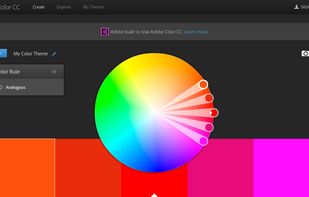
Generates color themes that can inspire any project. No matter what you're creating, with Kuler you can experiment quickly with color variations and browse thousands of themes from the Kuler community.

HexTo is a complete color toolkit for designers and developers. It lets you convert color formats (HEX, RGB, HSL, CMYK, and more), check accessibility contrast, simulate color vision types, generate harmonies, and export swatches or tokens.


A color palette generator powered by deep learning. Create color schemes intelligently from your starting colors, and extract pleasing colors from photographs.


Atmos gives you the tools to create professional color palettes. Built with UI designers in mind. With tools like Color generator, Color wheel, Shade generator, and LCH color tool. You can create a professional color palette in minutes.


UI Colors is a tool to create, edit, preview, export and save Tailwind CSS colors.


Randoma11y is a resource that provides accessible color combinations. It generates colors that meet accessibility standards using the current contrast algorithm, ensuring a contrast ratio of at least 4.5:1 according to the WCAG 2.1 AA guidelines.


ThemePalette is a color theme platform for designers and developers to explore modern palettes, create cohesive UI color systems, and build visually balanced themes for websites, apps, dashboards, and digital products with accessibility-focused combinations.


Preview color palettes, typography pairings, and design templates directly on real UI components — so you can lock in a design direction before you write a single line of code.