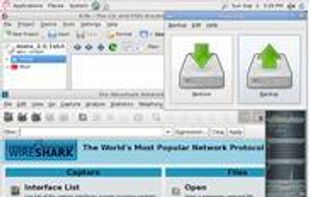
eComStation is an operating system based on IBM OS/2 that runs on current hardware.
Cost / License
- Paid
- Proprietary
Application type
Platforms
- Self-Hosted


Apps similar to macOS include Linux Mint, which is free and open source. Other options are Ubuntu, Debian, Fedora and CachyOS. You're spoiled for choice with Operating Systems like macOS: we list more than 100 alternatives for Linux, self-hosting, Mac, Windows and Chrome OS.
eComStation is an operating system based on IBM OS/2 that runs on current hardware.

A libre open source Linux operating system. Focused on ease of use, simplicy, and flexibility to adapt and change.



ExectOS aims to be a stable and flexible, general purpose operating system written from scratch. It is designed to be modular, maintainable and compatible with existing software. It implements a brand new XT architecture and features own native application interface.

ParticleOS is a fully customizable immutable distribution implementing the concepts described in Fitting Everything Together.




 United States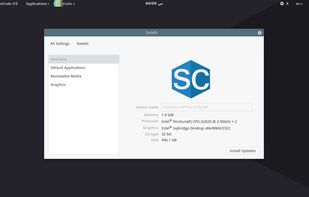

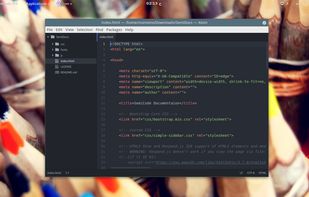


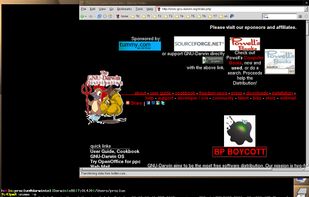
GNU-Darwin aims to be the most free software distribution. Our mission is two-fold: Focus on projects that leverage our unique combination of Darwin and GNU, and help users to enjoy the benefits of software freedom.


Peropesis is a small-scale, minimalist, command-line-based Linux operating system. It's an incomplete system, but it's constantly being improved. Also, it is a free operating system created from a free software.


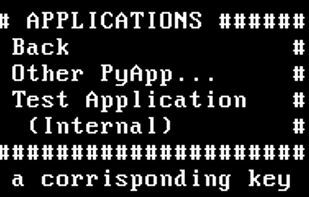
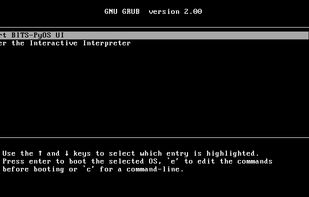


Laxer OS is an Arch Linux-based distribution of Linux for work and everyday use. Our OS is available for any 64-bit computer, laptop, or tablet. Our distribution focuses on security, reliability, and performance, Laxer OS is a versatile, and simple Linux distribution designed to...
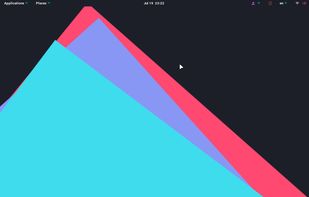


Popular Alternatives to Scratch for Windows, Web, Mac, Linux, iPad and more. Explore 25+ apps like Scratch, all suggested and ranked by the AlternativeTo user community.


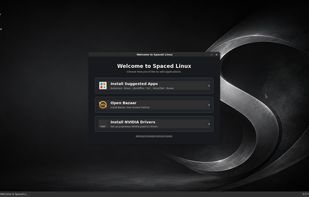
Spaced Linux is a polished desktop distribution built on Devuan Ceres, using sysvinit, MATE, and Compiz. It welcomes first-time Linux users without hiding the system from experienced users who want to inspect, customize, automate, and rebuild it.
United States