






+1






The best open source alternative to GitHub Desktop is Gittyup. If that doesn't suit you, our users have ranked more than 50 alternatives to GitHub Desktop and loads of them are open source so hopefully you can find a suitable replacement. Other interesting open source alternatives to GitHub Desktop are Tributary, Gitnuro, TortoiseGit and RelaGit.


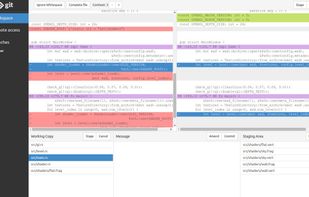
A standalone local web based user interface for git repositories
It comes with history and tree browsing. You may also use it to commit as it comes with an UI to review local changes and the ability to stage / unstage code.




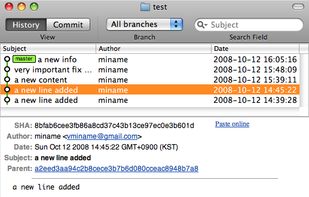
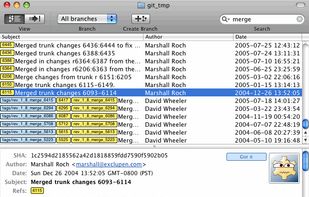
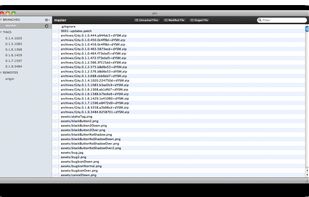
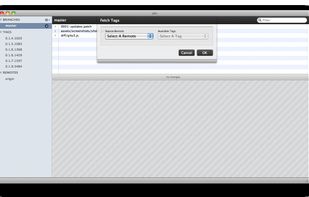
GitX is an OS X (MacOS) native graphical client for the git version control system.
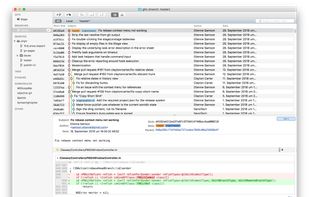


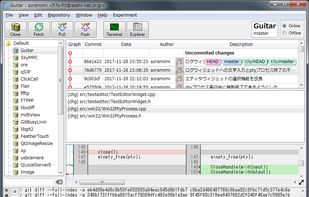
Git GUI Client. Open Source, Free Software (GPL v2). Run on Windows, macOS and Linux. Written in C++. Powered by Qt 5.


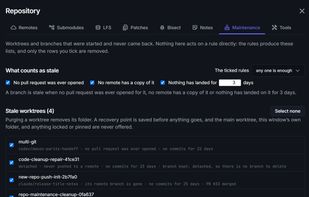
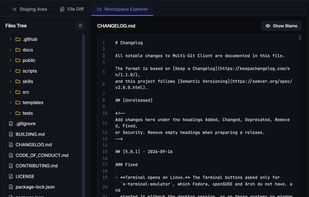
Local-first, open-source Git desktop client for Windows, macOS and Linux with multi-repo workflows, SSH identities, worktrees, precision staging, and safer visual Git tools.
 Germany
 EU




Gity is a nice GUI interface for a lot of the most common git commands. It also provides a diff view to see changes in the working tree, changes in the index (stage), and others. Gity simplifies using git in general. You wont leave home without it.



agentgit is a git host built for AI agents. git push https://agentgit.co/<name>.git creates the repository; there is no signup, no token and no SSH key. Refs are append-only, so nothing an agent pushed can be force-pushed over or deleted.
 United States

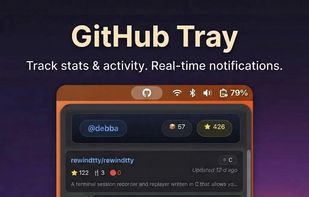
GNOME Shell extension to track GitHub repositories stats and activity. Receive real-time notifications for new stars, forks, and issues.
 ItalyEU

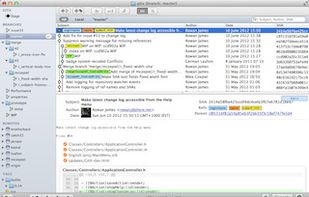
GitX-dev is a fork (variant) of GitX, a long-defunct GUI for the git version-control system. It has been maintained and enhanced with productivity and friendliness oriented changes, with effort focused on making a first-class, maintainable tool for today's active developers.


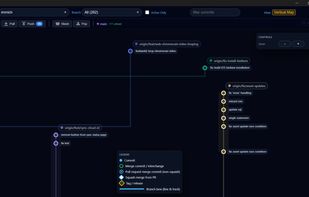
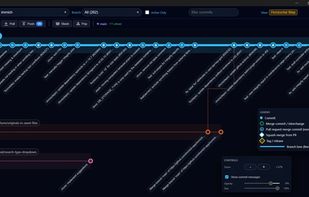
This is a passion project of mine where I wanted a cross-platform git client, which would tackle some of the pain-points of existing solutions. Namely, conditional strategies to handle larger repositories (i.e. Kubernetes, Linux kernel, etc.





 United Kingdom