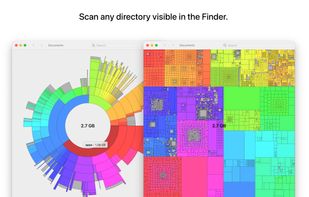
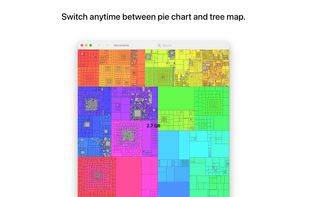
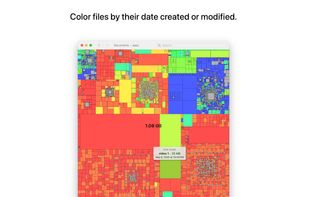
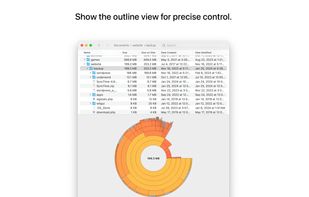
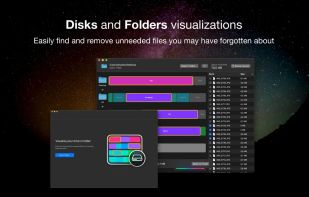
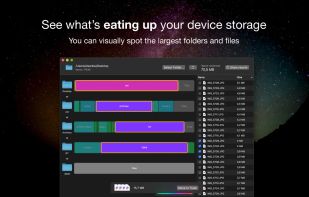
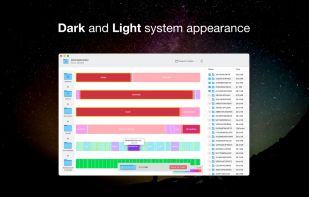
Inspect your disk and find the files that occupy the most space or that haven’t been modified in a long time.
Cost / License
- Paid
- Proprietary
Application type
Platforms
- Mac
 Germany
 EU
EU



+4


G


Apps similar to gdu include WinDirStat, which is free and open source. Other options are WizTree, Baobab Disk Usage Analyzer, Filelight and FreeCommander. You're spoiled for choice with Disk Usage Analyzers like gdu: we list more than 50 alternatives for Windows, Mac, Linux and Android.
Inspect your disk and find the files that occupy the most space or that haven’t been modified in a long time.
GermanyEU
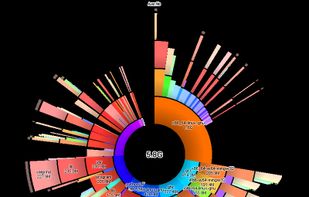
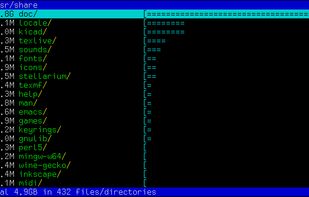
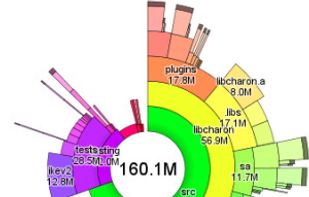
Duc is a collection of tools for inspecting and visualizing disk usage.
Duc scales quite well, it has been tested on systems with more than 500 million files and several petabytes of storage.


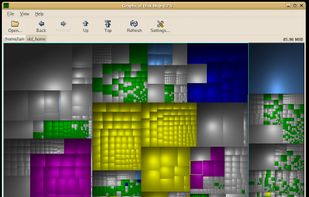
GdMap is a tool which allows to visualize disk space. Ever wondered why your hard disk is full or what directory and files take up most of the space? With GdMap these questions can be answered quickly. To display directory structures cushion treemaps are used which visualize a...


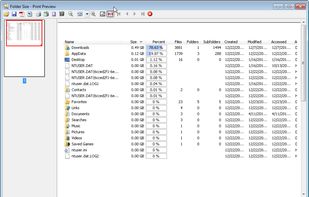
Folder Size analyzes your hard drives and displays file and folder sizes so that you can easily check the distribution of your disk space. The application will display the sizes of the folders and files and also the percentage of the total disk size that they occupy in a bar...
 United States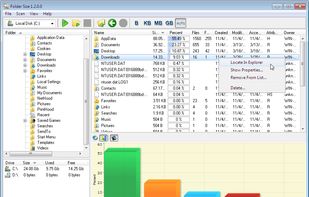



 GermanyEU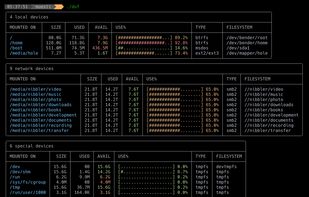


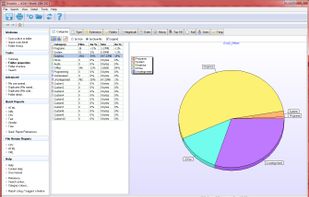
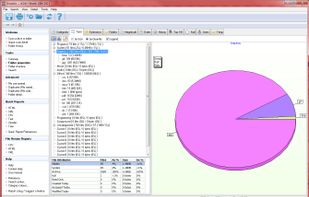
Xinorbis is a completely FREE, powerful Windows-based data storage analyser for single users or network administrators. Provides an instant visual display of the contents of a hard disk, single or multiple directories. Output reports to XML, CSV, HTML or plain ASCII.
 United Kingdom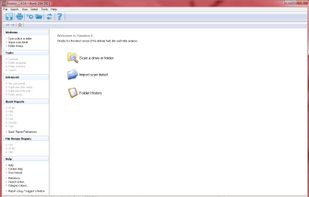



Create a visual representation of the amount of space each file is taking on your hard drive. It creates a "squarified treemap" that makes it easy to see where all your space is going.
 NetherlandsEU


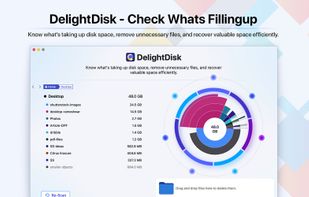

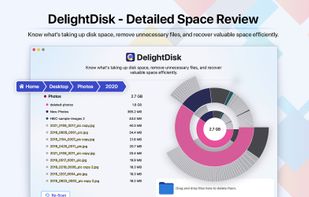
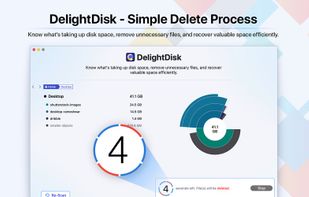


This free-for-personal-use software utility analyses storage disk usage, and then presents the gathered information in graphical format(s) viz. a directory tree, or a pie chart.
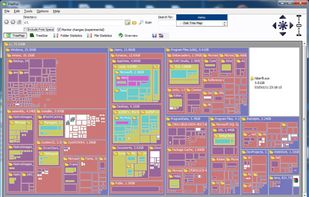


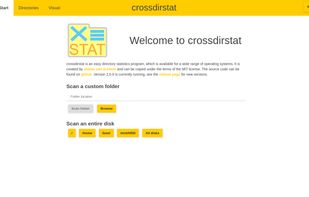
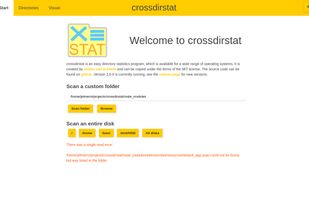
Free open-source cross-platform file & directory statistics as found on Github
NetherlandsEU