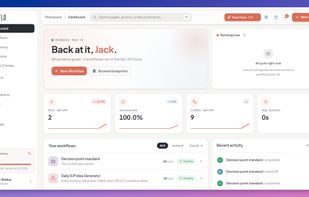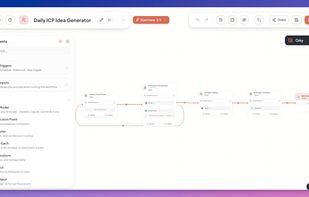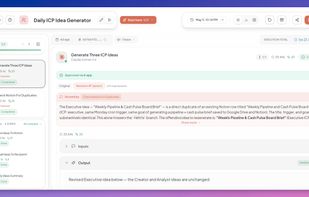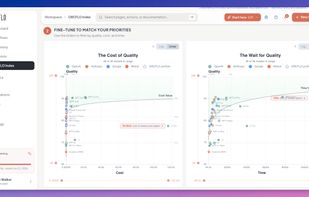


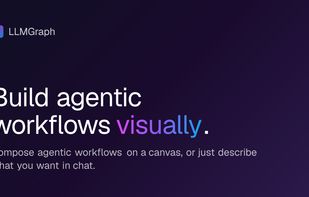
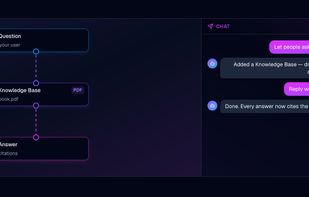
Build LLM workflows visually as a graph — no code. Turn your docs and models into RAG chatbots and AI agents, then ship them to a REST API and an embeddable chat widget



Flowise has been discontinued. Similar apps include IFTTT, which has a free version. Other options are n8n, Zapier, Sim Studio and Node-RED. There's no shortage of Workflow Automation Tools like Flowise, with more than 50 alternatives for the web, self-hosting, Mac, Windows and Linux.
Build LLM workflows visually as a graph — no code. Turn your docs and models into RAG chatbots and AI agents, then ship them to a REST API and an embeddable chat widget

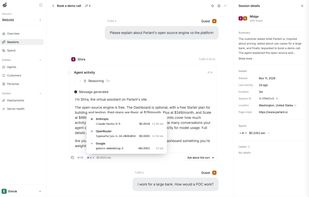
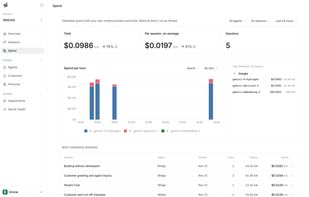
Parlant is an open-source platform for running AI customer experience agents on models from Anthropic, OpenAI or Google, with built-in policy enforcement, reply validation, a chat widget, human handoff and conversation analytics.
 Israel


Quiet File Team MCP is a free, open-source MCP server with six offline guidance tools for running a local, file-first team of AI agents quietly. It explains the method, drafts a safe team config and early-exit rule, reviews a layout manifest, drafts a fictional example workflow...

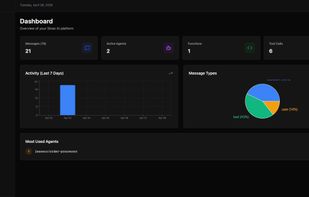
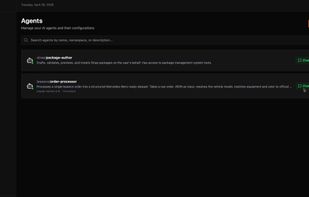
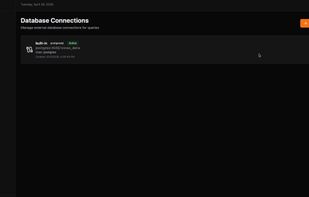
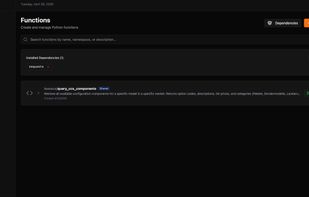
Sinas is an open-source platform for building AI applications without handing over your data. It sits between your applications and the LLM models, bringing AI agents, Python functions, database queries, state, files and permissions together behind one API, in an instance that...


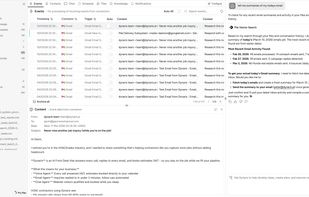
One AI Front Desk across email, chat, and voice answers every inquiry, qualifies leads, schedules appointments, and follows up automatically. Full-service onboarding gets you live on day one.
 United States



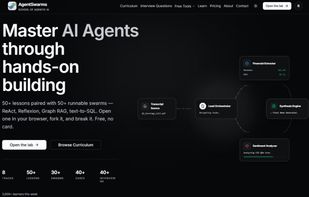
AgentSwarms is a comprehensive, interactive learning platform dedicated to teaching users about Agentic AI. It offers a hands-on playground where individuals can learn to build AI agents in a real browser environment, eliminating the need for any software setup.


Most teams hit the same wall with AI: prototypes work in a chat window, but turning them into reliable, repeatable automations means stitching together LLM APIs, orchestration code, queues, retries, and observability - and rebuilding it every time a model changes.
United States