Cost / License
- Free
- Open Source (GPL-3.0)
Application type
Platforms
- Linux
- Qt
- Wayland




+1


Stack Window Manager With Manual Grid Tiling Layout Extended Desktop Area Left Hand Keyboard + Right Hand Mouse.
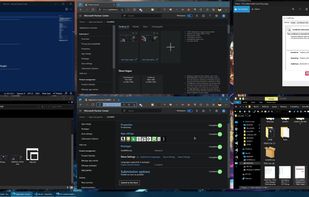
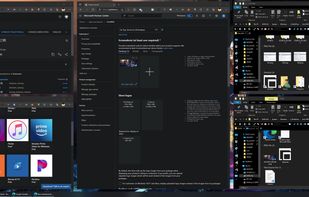
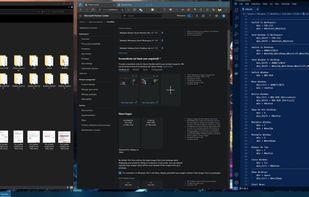
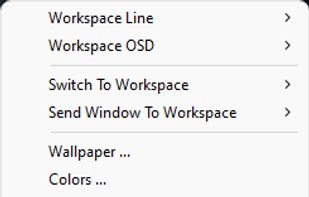


Umbriel is a Wayland compositor designed for daily use, with scrolling, dwindle, and master layouts, per-output workspaces, window rules, blur, shadows, and fluid animations.


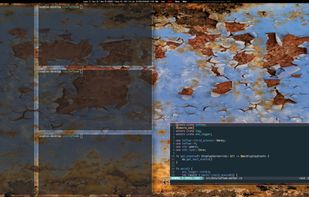
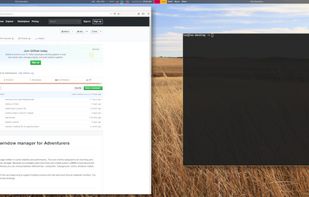
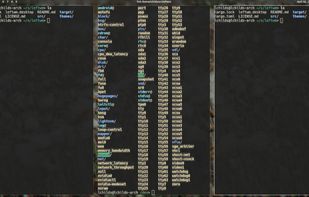
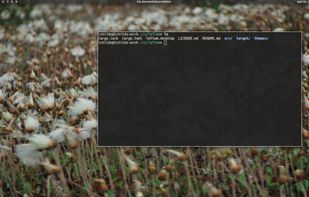
Left is a tiling window manager written in rust for stability and performance. The core of left is designed to do one thing and one thing well. Be a window manager. Because you probably want more than just a black screen LeftWM is built around the concept of theming.


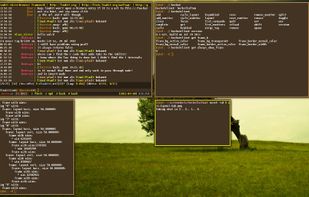
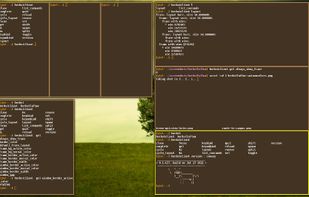
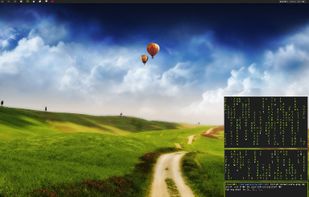


Ratpoison is a simple window manager with no fat library dependencies, no fancy graphics, no window decorations, and no rodent dependence. The screen can be split into non-overlapping frames. All windows are kept maximized inside their frames to take full advantage of your...


Lumina is a lightweight, BSD licensed, standards-compliant desktop environment based upon Qt and Fluxbox. It is being developed on PC-BSD, and is being packaged for distribution on the PC-BSD package repository as well.


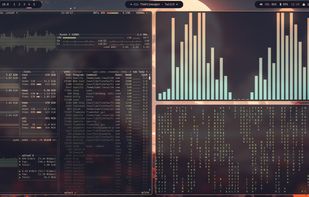
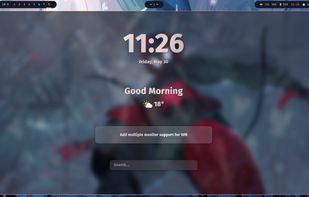
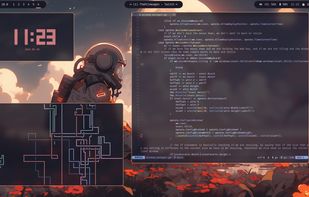
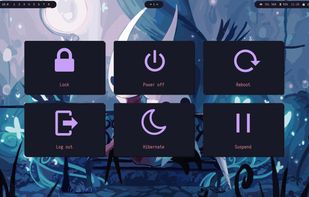

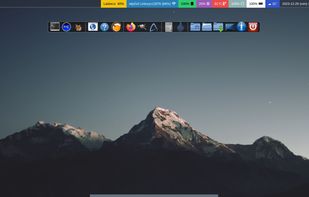


Pinnacle is a Wayland compositor built in Rust using Smithay. It's my attempt at creating something like AwesomeWM for Wayland.
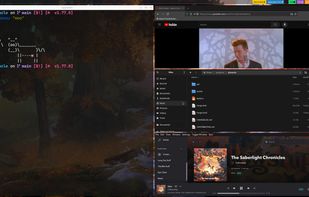


A Wayland compositor based on Mir. It features a tiling window manager at its core, very much in the style of i3 and sway. The intention is to build a compositor that is flashier and more feature-rich than either of those compositors, like swayfx.
 United States
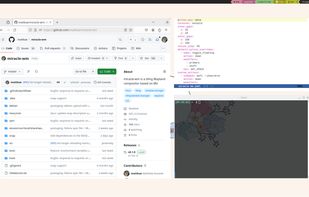


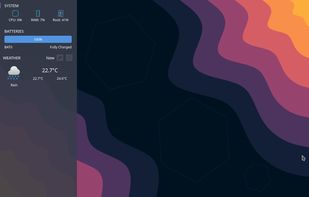
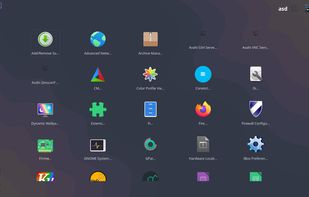
An autotile manager for Plasma 6. An (unofficial) spiritual successor to Bismuth built on KWin 6. The descendant of autotile.