Cost / License
- Freemium
- Proprietary
Application type
Platforms
- Mac



+6
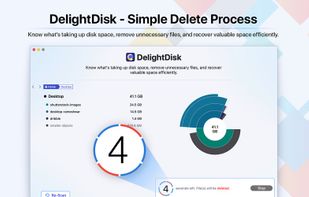


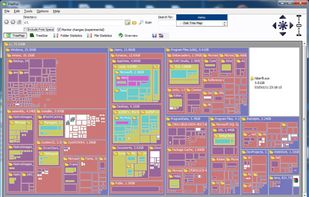
DiskWave has been discontinued. Similar apps include WinDirStat, which is free and open source. Other options are WizTree, Baobab Disk Usage Analyzer, Filelight and TreeSize. You're spoiled for choice with Disk Usage Analyzers like DiskWave: we list more than 50 alternatives for Windows, Mac, Linux and Android.

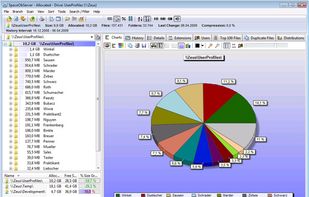
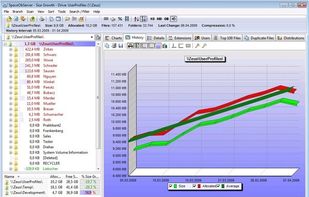
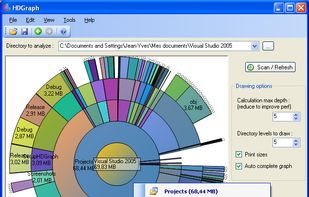
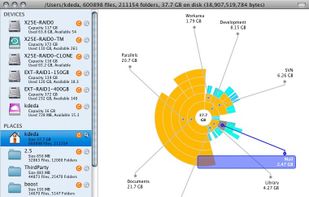
This free-for-personal-use software utility analyses storage disk usage, and then presents the gathered information in graphical format(s) viz. a directory tree, or a pie chart.


 Netherlands
 EU
EU




i.Disk scans directory trees and displays the total space used by each directory in an easy to use form.
 Australia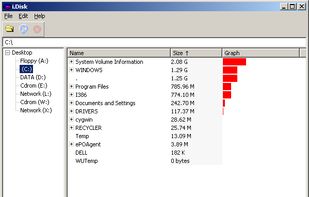


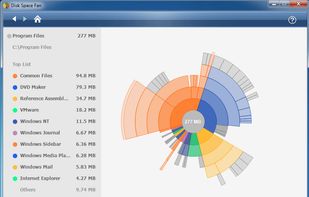
Disk Space Fan is a powerful disk space analysis tool for Windows and it is a freeware. It helps you to free up disk space by quickly finding and deleting big, useless files. It displays disk space usage with a nice chart. You can navigate the folders easily with the chart.


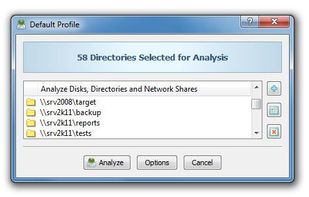
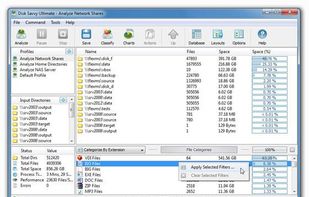
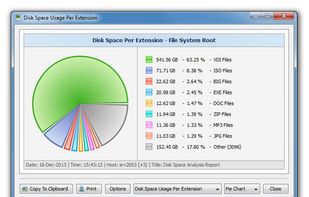
DiskSavvy is a free, fast and easy-to-use disk space analyzer utility allowing one to analyze disk usage in one or more disks, directories, network shares and/or NAS storage devices.
 CyprusEU

 CyprusEU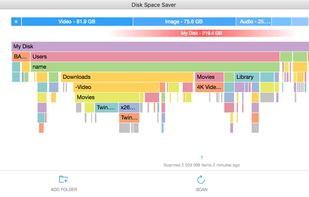


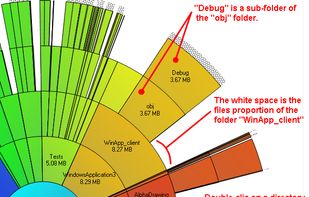


A file manager with a focus on storage side of things: Monitoring, classing, storage, duplicate cleanup, archiving, and moving.
CyprusEU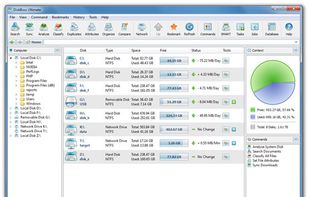
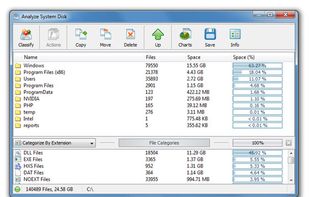
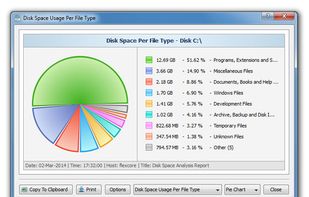
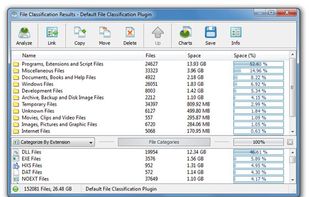


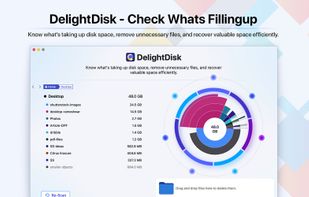
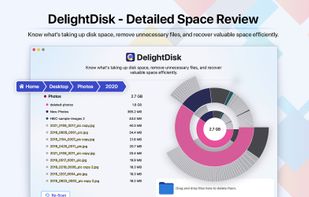
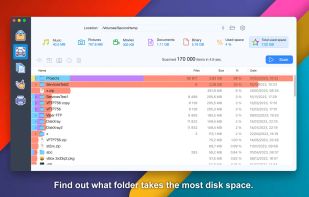
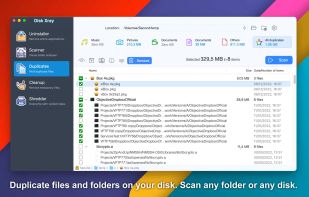
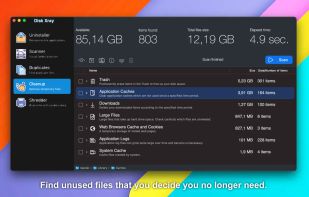
Visual disk usage analyzer for Mac featuring byte-level duplicate file detection, detailed storage statistics, customizable folder scans, temporary file removal, undo safeguards, selective cleanup, support for large files, and dedicated modules for managing storage.
 Thailand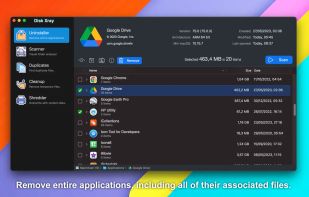


WhatSize is a simple tool that allows the user to quickly measure the size in bytes of a given folder and all subfolders and files within it. You would be surprised at how many useless files might be laying around on your hard disks.
 United States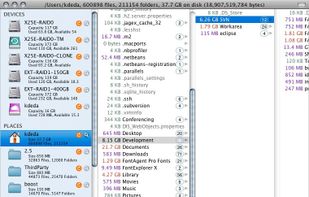
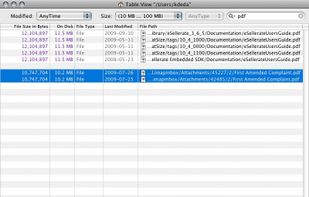


SpaceObServer is a powerful and flexible hard disk space manager for Windows. It scans local and network drives using a background service and stores their structure, sizes and properties in an SQL database. Linux and Unix filesystems can be scanned via SSH (Secure Shell).
 GermanyEU