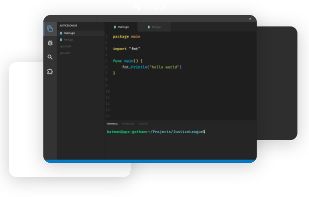
DevPod is infrastructure-independent and client-only, which makes it incredibly easy to get started with. Codespaces but open-source, client-only and unopinionated. Works with any infra, any programming language, any IDE, etc.
 United States
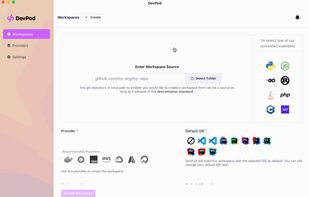

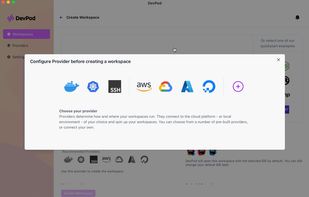

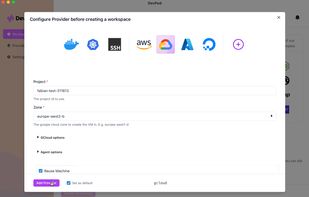

+3
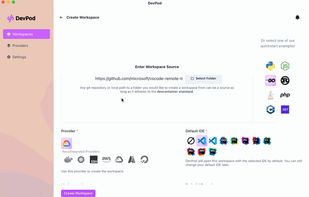


Apps similar to Development Containers include DevPod, which is free and open source. Other options are Jetify Devbox, Flox.dev, devenv and OpenBoot. In total there are six IDEs like Development Containers for Linux, Mac and Windows.
DevPod is infrastructure-independent and client-only, which makes it incredibly easy to get started with. Codespaces but open-source, client-only and unopinionated. Works with any infra, any programming language, any IDE, etc.
United States
Devbox is a command-line tool that lets you easily create reproducible, reliable dev environments. You start by defining the list of packages required by your development environment, and devbox uses that definition to create an isolated environment just for your application.
United States




Apx is the default package manager in Vanilla OS. It is a wrapper around multiple package managers to install packages and run commands inside a managed container.