


Cost / License
- Free
- Open Source
Application type
Platforms
- Mac
- Windows
- Linux
- BSD
- Rust
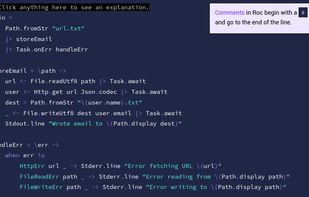


C++ is described as 'Statically typed, free-form, multi-paradigm, compiled, general-purpose, powerful programming language. It is regarded as an intermediate-level language, as it comprises a combination of both high-level and low-level language features' and is a very popular programming language in the development category. There are more than 50 alternatives to C++ for a variety of platforms, including Linux, Windows, Mac, BSD and Self-Hosted apps. The best C++ alternative is Rust, which is both free and Open Source. Other great apps like C++ are Java, C (programming language), C# and Go (Programming Language).

Fortran (previously FORTRAN, derived from Formula Translating System) is a general-purpose, imperative programming language that is especially suited to numeric computation and scientific computing.


Hare is a systems programming language designed to be simple, stable, and robust. Hare uses a static type system, manual memory management, and a minimal runtime. It is well-suited to writing operating systems, system tools, compilers, networking software, and other low-level...


C3 is a programming language that builds on the syntax and semantics of the C language, with the goal of evolving it while still retaining familiarity for C programmers.


A community fork of a language named after a plant fungus. All of the memory-safe features you love, now with 100% less bureaucracy.


The Odin programming language is fast, concise, readable, pragmatic and open sourced. It is designed with the intent of replacing C with the following goals:


Pony is an open-source, object-oriented, actor-model, capabilities-secure, high performance programming language.



Clojure is a dynamic programming language that targets the Java Virtual Machine (and the CLR ). It is designed to be a general-purpose language, combining the approachability and interactive development of a scripting language with an efficient and robust infrastructure for...
 United States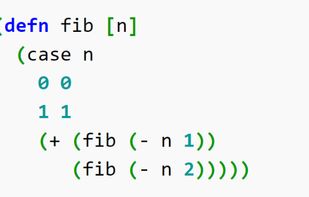


Beef is an open source performance-oriented compiled programming language which has been built hand-in-hand with its IDE environment.
United States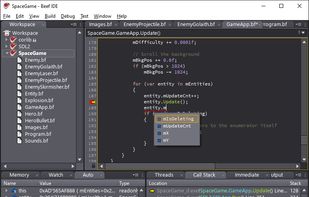


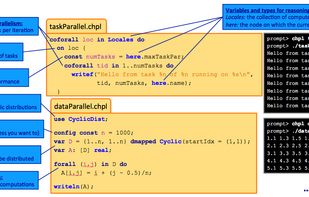


The X10 programming language is organized around four basic principles of asynchrony, locality, atomicity, and order that are developed on a type-safe, class-based, object-oriented foundation. This foundation is robust enough to support fine-grained concurrency, Cilk-style...


