Condux is error monitoring for teams who would rather ship the fix than read another alert.
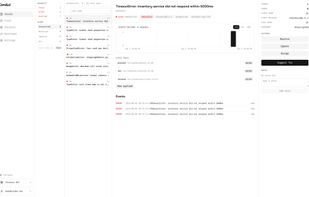
Events arrive from first-party SDKs for JavaScript, Node, browsers, Next.js, edge runtimes, Python, Go, Ruby, PHP, Java and .NET, from the Sentry envelope wire format, or from native OTLP logs. Because Condux speaks the Sentry protocol, an existing Sentry SDK switches over by changing one DSN string. Events are fingerprinted into deduplicated issues, minified stack traces resolve back through your uploaded source maps, and rules fire on a new issue or a regression to email, Slack, Discord or a webhook, with a weekly digest for everyone else.
Then the Conductor takes over. It assembles a scoped, scrubbed slice of your code, proposes a fix with the model of your choice, and opens a draft pull request on GitHub for your team to review. It never merges anything. After you merge, it watches the issue's own event counts and resolves it only once the error has actually stopped, with the evidence attached. It does the same for vulnerable dependencies, turning an open advisory into a dependency-bump draft PR.
Seats are free and unlimited, AI fixes are pooled across the org rather than billed per developer, and plan limits throttle instead of generating a surprise invoice. The entire stack, ingest relay, control plane, consumer, fix engine and dashboard, is source-available under the FSL and ships as a Docker Compose stack or a Helm chart, so you can run all of it inside your own boundary, with your own LLM key.



 EU
EU


 Triple Down AB

No comments or reviews, maybe you want to be first?