




Checkmeup
Like
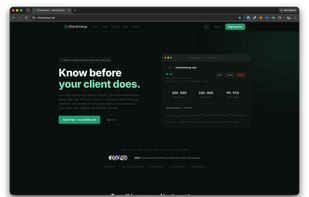
Covers uptime, cron jobs, SSL and domain expiry, TCP ports, DNS records, and tracks incidents, with per-monitor alerts via Telegram, Slack, SMS, and more, white-label status pages, robust history, API access, self-hosting, and maintenance features.

Cost / License
- Free Personal
- Open Source
Application typeApplication types
Platforms
- Online



Features

Checkmeup News & Activities
Highlights All activities
Recent activities
- Danilo Venom updated Checkmeup
- Andrew Molyuk added Checkmeup
- Andrew Molyuk thinks Website Monitoring is a important feature of Checkmeup
- Andrew Molyuk thinks Status Page is a important feature of Checkmeup
- Andrew Molyuk thinks Uptime Monitoring is a important feature of Checkmeup
 Andrew Molyuk added Checkmeup as alternative to UptimeRobot, Better Stack, Uptime Kuma, Pingdom and 6 more



Checkmeup information
Developed by
checkmeupLicensing
Open Source and Free Personal product.Pricing
Subscription ranging between $9 and $99 per month.Written in
Alternatives
10 alternatives listedBadge
Get an embeddable badge for CheckmeupSupported Languages

AlternativeTo Categories
Network & Admin, DevelopmentGitHub repository
- 0 Stars
- 0 Forks
- 0 Open Issues
- Updated

No comments or reviews, maybe you want to be first?