


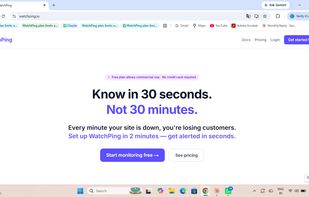
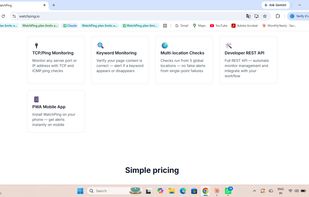
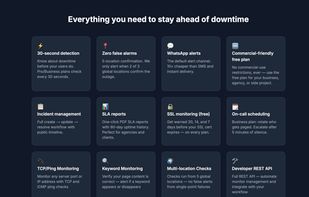
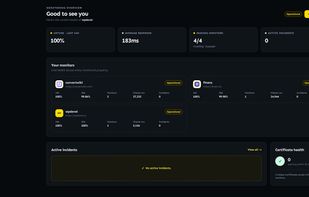
Uptime monitoring with multi-location checks, SSL/domain expiry alerts, and instant Slack/Telegram/WhatsApp notifications.
Cost / License
- Freemium
- Proprietary
Application typeApplication types
Platforms
- Online
- Software as a Service (SaaS)
 India
India




+1


WebOrbiton Monitor has been discontinued. Similar apps include Uptime Kuma, which is free and open source. Other options are Better Stack, UptimeRobot, Pingdom and Kener. Uptime Monitor Services like WebOrbiton Monitor are a crowded field, with more than 50 alternatives for the web, self-hosting, Android, iPhone and Windows.
Uptime monitoring with multi-location checks, SSL/domain expiry alerts, and instant Slack/Telegram/WhatsApp notifications.
India
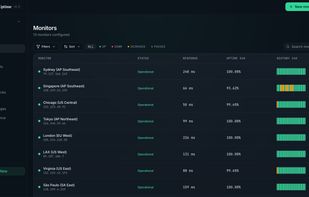
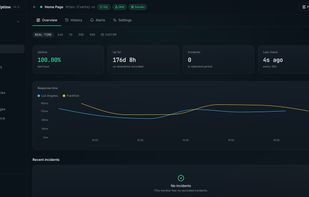
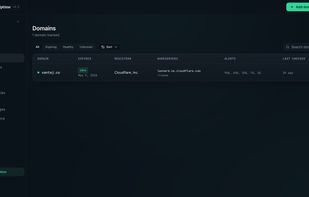
All-in-one uptime monitoring platform- HTTP, SSL, domains, cron jobs, DNS, and status pages in one tool. 10+ global probe regions with multi-region consensus alerting to eliminate false positives.
 United Kingdom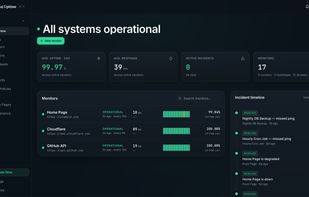


Centralizes real-time monitoring of servers, containers, Kubernetes clusters, SNMP devices, firewalls, storage, and databases in a user-friendly dashboard with alerts, multi-user support, setup wizard, REST API, customizations, mobile access, and backup options.
 Türkiye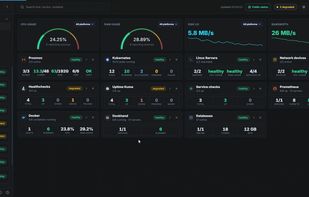


Ultralight open source server monitoring agent, written in Rust. Ships CPU, RAM, disk and network metrics over OTLP to any compatible backend.


Latency Atlas helps teams monitor websites, APIs, and scheduled jobs with multi-region checks, response time history, status pages, heartbeat monitoring, and an API for automation.
 Japan
Japan


Prafero is an all-in-one website intelligence platform for auditing any site in one place. It analyzes SEO, performance, security, DNS, and tech stack signals, then turns them into clear insights so founders, marketers, developers, and agencies can make faster website decisions.






Native iOS, iPadOS and watchOS app for monitoring and controlling self-hosted homelab services, with no backend, account, or telemetry.
Türkiye




Website monitoring for uptime, APIs, forms, logins and checkout flows, with actionable evidence when something breaks.
 Romania
 EU
EU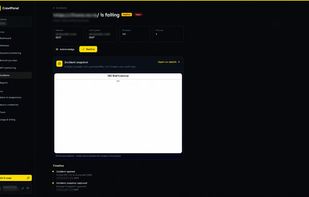








 Spain
Spain