






+2


V


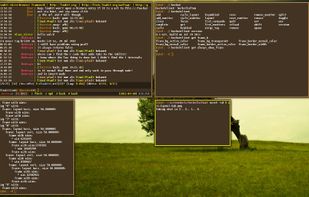
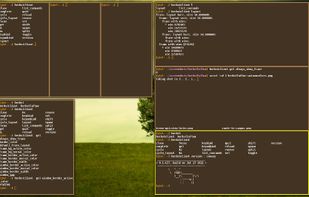
Vivarium is described as 'A dynamic tiling Wayland compositor using wlroots, with desktop semantics inspired by xmonad' and is a Window Manager in the os & utilities category. There are more than 50 alternatives to Vivarium for a variety of platforms, including Linux, Wayland, BSD, Mac and X11 apps. The best Vivarium alternative is Hyprland, which is both free and Open Source. Other great apps like Vivarium are niri, GlazeWM, Sway and i3.


Ratpoison is a simple window manager with no fat library dependencies, no fancy graphics, no window decorations, and no rodent dependence. The screen can be split into non-overlapping frames. All windows are kept maximized inside their frames to take full advantage of your...


Pinnacle is a Wayland compositor built in Rust using Smithay. It's my attempt at creating something like AwesomeWM for Wayland.
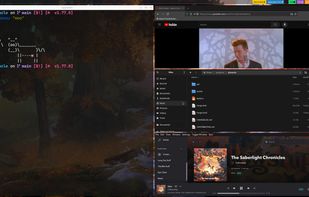


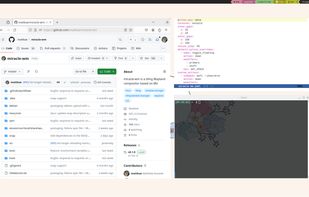
A Wayland compositor based on Mir. It features a tiling window manager at its core, very much in the style of i3 and sway. The intention is to build a compositor that is flashier and more feature-rich than either of those compositors, like swayfx.
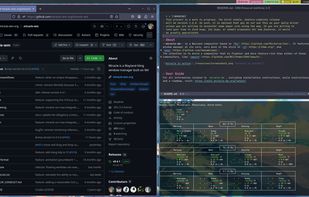




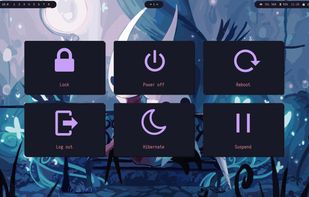


An autotile manager for Plasma 6. An (unofficial) spiritual successor to Bismuth built on KWin 6. The descendant of autotile.
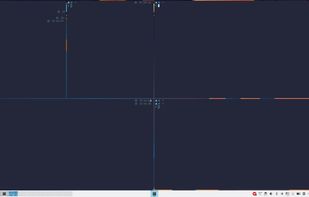

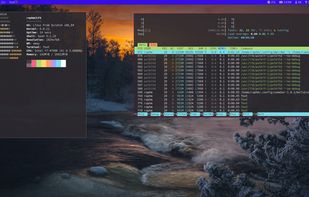
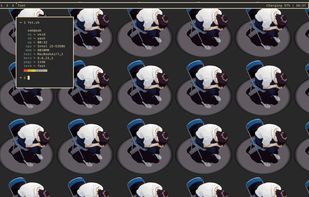
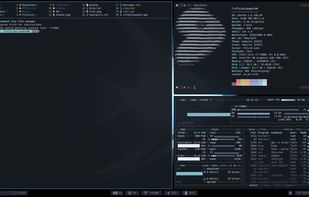
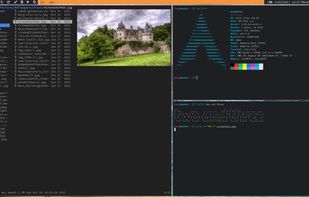

i3-gaps is a fork of i3wm, a tiling window manager for X11. It is kept up to date with upstream, adding a few additional features such as gaps between windows.
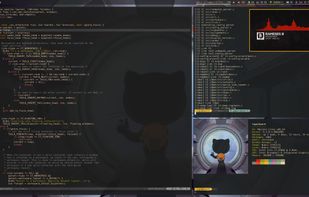
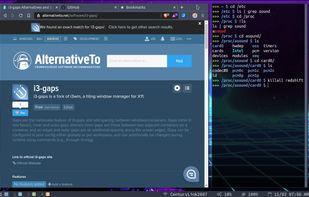


PyTyle is an extremely versatile and extensible tiling manager that is meant to be used on top of EWMH window managers. Its feature set was modeled after the basic tiling features of XMonad.
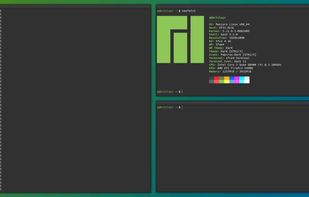


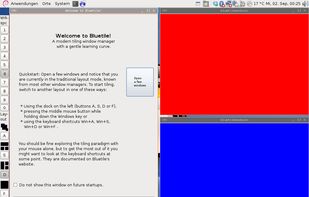
Bluetile is a tiling window manager for Linux, designed to integrate with the GNOME desktop environment. It provides both a traditional, stacking layout mode as well as tiling layouts where windows are arranged to use the entire screen without overlapping.


 United States


 Germany
 EU
EU
