


Bitcoin is a peer-to-peer digital currency. Peer-to-peer (P2P) means that there is no central authority to issue new money or keep track of transactions. Instead, these tasks are managed collectively by the nodes of the network.
- Global
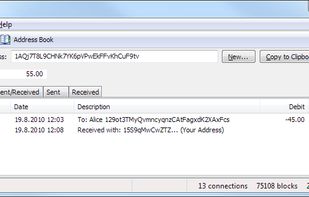

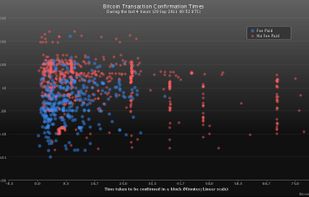






Bitcoin is a peer-to-peer digital currency. Peer-to-peer (P2P) means that there is no central authority to issue new money or keep track of transactions. Instead, these tasks are managed collectively by the nodes of the network.

Ethereum is a decentralized platform that runs smart contracts: applications that run exactly as programmed without any possibility of downtime, censorship, fraud or third party interference.
 Canada
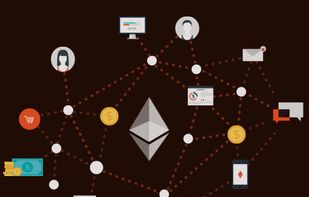


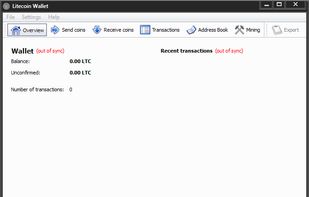
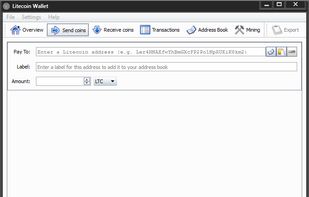
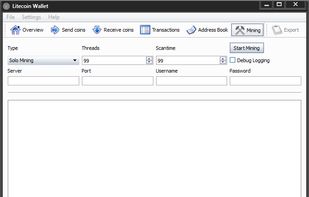
Litecoin is a peer-to-peer Internet currency that enables instant payments to anyone in the world. It differs from its parent Bitcoin in that can be efficiently mined with consumer-grade hardware.

Zcash is the first open, permissionless cryptocurrency that can fully protect the privacy of transactions using zero-knowledge cryptography.
 United States


Cardano is a Proof-of-Stake L1 blockchain platform - the first to be founded on peer-reviewed research and developed through evidence-based methods.
United States





Digital advertising is broken.
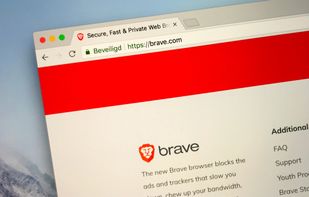
It is a market filled with middlemen and fraudsters, hurting users, publishers and advertisers. The Basic Attention Token (BAT) was developed to address this. BAT, is an ERC20 token built on top of Ethereum.
United States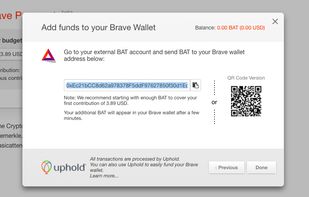


Inherited from Telegram, the TON blockchain was designed to onboard billions of users. It boasts ultra-fast transactions, low fees, and easy-to-use native apps.


Golem is a global, open sourced, decentralized supercomputer that anyone can access. It's made up of the combined power of user's machines, from personal laptops to entire datacenters.


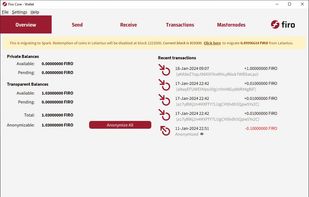
Firo is a digital currency with a focus on setting privacy standards.
One of the most groundbreaking academic developments in Bitcoin research.
 South Africa


Peercoin is a P2P digital currency and payment system optimized for security and energy-efficiency.




 Switzerland


