


Protect your web history, feel safer on public Wi-Fi, and limit ad tracking by increasing the security of your network connection.
 United States


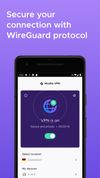







The best open source alternative to Proton VPN is Mullvad VPN. It's not free, so if you're looking for a free alternative, you could try Tor VPN or Windscribe. If that doesn't suit you, our users have ranked more than 100 alternatives to Proton VPN and loads of them are open source so hopefully you can find a suitable replacement. Other interesting open source alternatives to Proton VPN are IVPN, Psiphon, NymVPN and Obscura VPN.
Protect your web history, feel safer on public Wi-Fi, and limit ad tracking by increasing the security of your network connection.
United States
Embark on a privacy-powered journey with a VPN that encrypts your connection, provides a new IP for ultimate privacy, adheres to EU data standards, and is maintained by activists committed to net neutrality, offering high performance, dynamic port forwarding, and unyielding service support.
 Italy
 EU


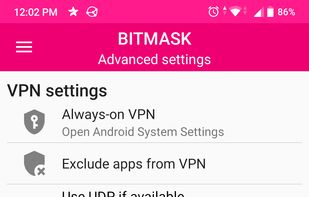
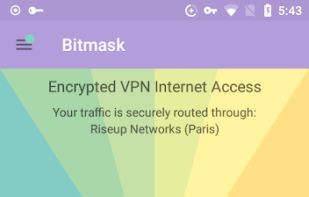
Bitmask is an open source application to provide easy and secure encrypted communication with a VPN. You can choose among different providers or start your own.
United States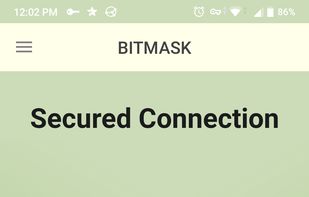


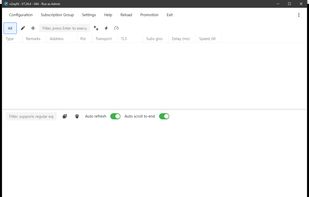
This V2Ray client offers users the possibility to navigate the web more privately, thanks to the tool allowing configuration for Socks, VMess, and other such protocols.
 China


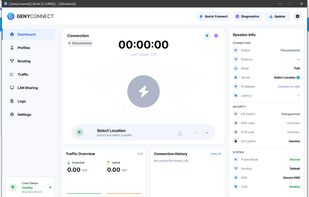
GenyConnect is a modern, cross-platform secure tunneling client designed for high performance, privacy, and precise traffic control.
 Iran


URnetwork is a decentralized peer-to-peer VPN that provides anonymous and censorship-resistant access to the internet. It routes connections through a large network of user-operated nodes called "providers".
United States




NoPorts is a VPN alternative that simplifies and secures remote access and protects critical infrastructure for organizations of all sizes.
United States


Decentralized VPN service providing privacy via blockchain, peer-to-peer architecture, and global exit nodes. Offers encrypted browsing, geo-unblocking, streaming, torrenting, multi-platform support, rewards for bandwidth sharing, and no registration required.
 Switzerland




A post-Snowden VPN built on anonymity and security. Service requires you to think and have general understanding of software/networking setups. Intermediate level knowledge.


 Estonia


 Iceland
