


Phishing Club
1 like
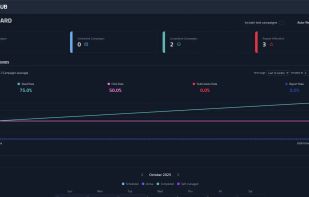
Phishing Club is an open source, self hosted platform for phishing simulations and authorized red team phishing. Organizations install it on their own servers with a single command or through Docker, so every campaign and all the data it gathers stay in house.

Cost / License
- Free
- Open Source
 EU
EUPlatforms
- Self-Hosted
- Docker


Features
Highlights All activities
Phishing Club News & Activities
Recent activities
- hackeronni updated Phishing Club
its best free opensource app for phishing training
- jecoseeck liked Phishing Club
- jecoseeck thinks Phishing is a important feature of Phishing Club
- Paul updated Phishing Club
- hackeronni updated Phishing Club
 hackeronni added Phishing Club as alternative to Evilginx and Zphisher
- hackeronni updated Phishing Club
 topher-lima added Phishing Club as alternative to empowsec
- hackeronni added Phishing Club as alternative to Evilginx

Developed by
 Phishing Club
 Licensing
Open Source and Free product.Pricing
One time purchase ranging between $4000 and $8000, and / or subscription ranging between $339 and $794 per month.Written in
Alternatives
13 alternatives listedBadge
Get an embeddable badge for Phishing ClubSupported Languages

AlternativeTo Category
Security & PrivacyGitHub repository
- 264 Stars
- 43 Forks
- 3 Open Issues
- Updated


Comments and Reviews
its best free opensource app for phishing training