T


The top-rated alternative to Oracle SQL Developer is DBeaver, which is open source with a free version. People also recommend phpMyAdmin, Beekeeper studio, DbGate and DataGrip. There's no shortage of Database Management Tools like Oracle SQL Developer, with more than 50 alternatives for Windows, Mac, Linux, the web and self-hosting.

dbtarzan - To explore the tables of a database following their relations as defined in their foreign keys.


The database IDE that visualizes SQL queries as you type, with a no-code table editor and interactive database diagram for MySQL, PostgreSQL, and SQL Server.
 United States


Queries is a workbench to interact with relational databases, with initial support for Postgres.



Visual SQL builder for creating, transforming, and reverse engineering complex queries with diagram visualization, broad JDBC driver support, multi-database connections, cross-platform compatibility, and open-source availability for efficient SQL analysis and editing.


 United Kingdom


Database browser is an universal table editor. This easy to use tool allows user to connect to any database and browse or modify data, run sql scripts, export, import and print data. And the most important thing it is Free-ware.
United Kingdom


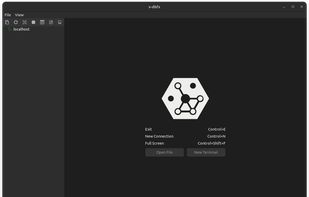
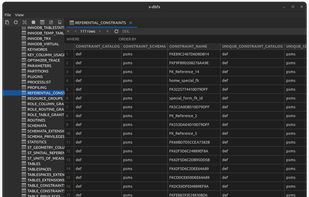
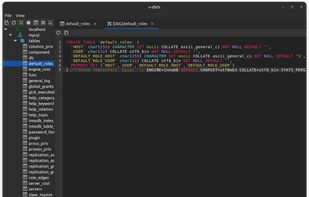


SQLife is a modern, cross-platform database management tool built with JavaFX for DBAs, developers and analysts. It connects to many RDBMS (Oracle, PostgreSQL, MySQL, SQL Server, etc.) and middleware (Redis, MongoDB, Kafka, RabbitMQ) through a rich, unified interface, with...
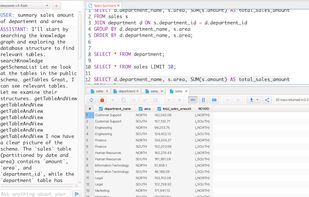


Panda-Sql is a free Sql, Pl Sql editor and browser for Oracle, Mysql, MsSql (sql server) and PostgreSQL databases. This software is opensource, lightweight (6.8MB) and available in French and English. Its use is simple and intuitive.


Easy Query Builder (EQB) - is a free program which allows you to create SQL queries to your database in a user-friendly way. You don’t need to know SQL or any other complex query language - all your requests can be described visually, very easily, and in (almost) natural...


Open Sqlite databases and explore the internal organisation of various objects such as schema, tables and indices. To understand how Sqlite3 data is organised, please see Database file format from Sqlite website.
 India