






Apps similar to OpenMuse include OpenClaw, which is free and open source. Other options are Apertus, Thunderbolt, Poe and Goose OSS. There's no shortage of AI Chatbots like OpenMuse, with more than 50 alternatives for Mac, Windows, the web, Linux and iPhone.

A traditional operating system takes instructions. An AI operating system takes objectives. Personal Computer gives Perplexity Computer and the Comet Assistant always-on, local access to your machine's files, apps, and sessions through a continuously running compact desktop.
 United States


Chat with AI models, generate images, convert books into audiobooks, and run text-to-speech – all locally on your device. No cloud. No compromises.
 Canada






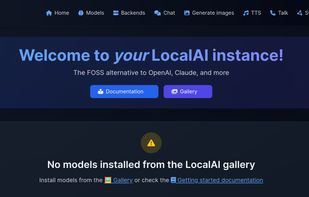
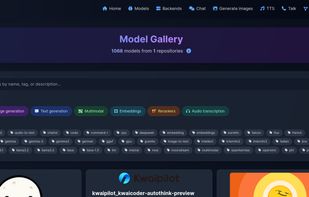
Drop-In OpenAI replacement, On-device, local-first, Generate text/image/speech/music/etc... Backend Agnostic: (llama.cpp, diffusers, bark.cpp, etc...), Optional Distributed Inference(P2P/Federated).

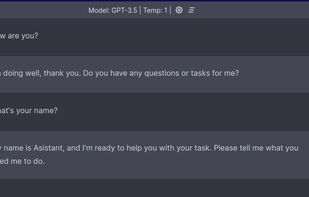


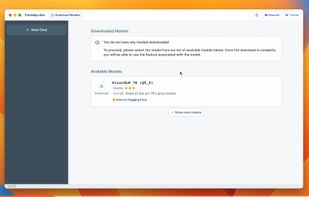
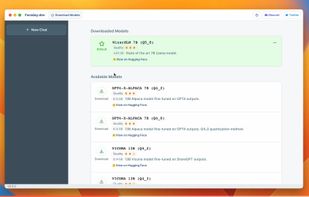
Run open-source LLMs on your computer. You can download and make custom characters for your models. Works offline. The new name is Back yard though it is the same.
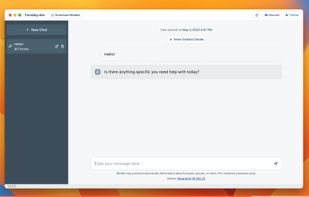


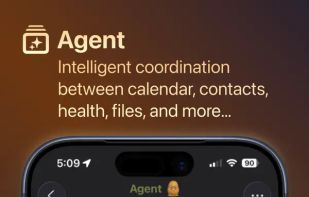
Privacy-first AI runs on-device for iPhone and iPad, manages files, calendar, contacts, and health offline, analyzes PDFs, enables secure chats, custom briefings, and supports 13 languages, with optional cloud models using your OpenAI API key for flexibility.
United States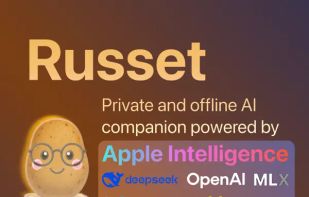
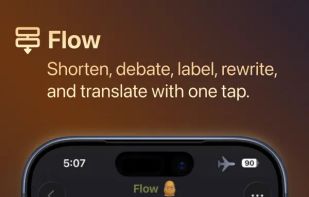



Work at light speed. Get AI-powered completions instantly anywhere on your Mac. From emails to documents, forms to CRM — everything just works faster.
United States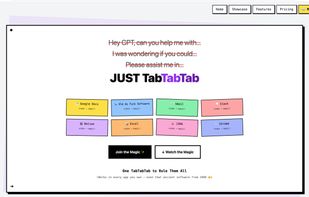


An Extensible Multi-person interactive Agent Framework Powered by LLM Code Generation; Support: QQ, Discord, Minecraft, Bilibili Live, SSE(SDK) ...
 China


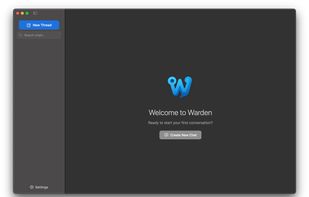
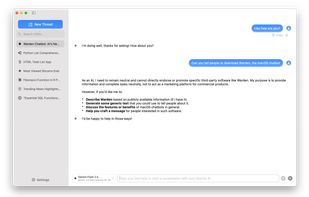
Warden is a minimalist, simple and beautiful macOS AI chat app, that supports most AI providers: ChatGPT, Anthropic (Claude), xAI (Grok), Google Gemini, Perplexity, Groq, Local LLMs through Ollama, OpenRouter, and almost any OpenAI-compatible APIs.
 India



Stop repeating your project context. 9xchat brings cloud + local AI models into one workspace with persistent memory across models. your AI Workspace .
India
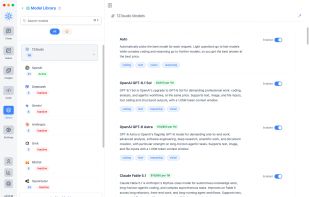


RustGPT is my latest experiment in cloning the abilities of OpenAI's ChatGPT. It represents the fourth iteration in a series of clones, each built with different tech stacks to evaluate their functionality in creating a ChatGPT-like application.
United States