Maxwave Proxifier icon

Maxwave Proxifier

Maxwave Proxifier is a rule-based tunneling application. It offers flexible configuration capability that allows users to fully control the network traffic on their device.
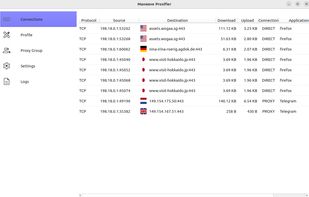
Maxwave Proxifier screenshot 1

Cost / License

  • Free
  • Proprietary

Platforms

  • Mac
  • Windows
  • Linux
  • Android
Maxwave Proxifier screenshot 1
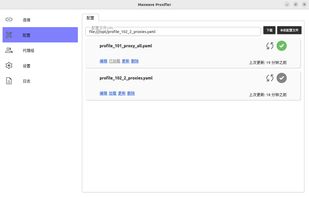
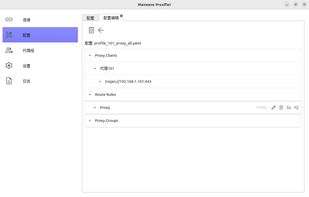
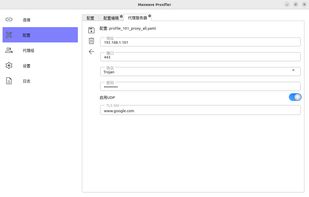
Maxwave Proxifier screenshot 2
+1
Maxwave Proxifier screenshot 3
Alternatives
2likes
0alternatives
0articles
Save

Features

Properties

Features

Highlights All activities

Maxwave Proxifier News & Activities

Recent activities

Maxwave Proxifier information

AlternativeTo Categories

Security & Privacy, Network & Admin

GitHub repository

  •  7 Stars
  •  1 Forks
  •  0 Open Issues
  •   Updated  
Maxwave Proxifier was added to AlternativeTo by PlayboyGorilla on and this page was last updated .

No comments or reviews, maybe you want to be first?

What is Maxwave Proxifier?

Maxwave Proxifier is a rule-based tunneling application. It offers flexible configuration capability that allows users to fully control the network traffic on their device. Specifically it offers following system-wide features:

  1. Certain sites or destination addresses can be blocked, allowing users to block malicious sites.
  2. Traffic to certain sites or destination addresses can go through a designated proxy server, allowing privacy protection or censorship circumvention
  3. A new DNS server can be specified by a user. Maxwave Proxifier applies different actions to network traffic strictly based on the rule deployed by the user.

As a hub to forward designated network traffic through user-designated proxy servers, Maxwave Proxifier currently supports following proxy protocols:

  1. SSH Tunnel
  2. HTTPs/HTTP Connect
  3. SOCKS5
  4. SOCKS5 over TLS
  5. SOCKS4/4a
  6. Shadowsocks
  7. VMESS
  8. Trojan
  9. AnyTLS
  10. IMAP Tunnel (A home-made tunneling protocol that will soon be open-source)

As of now, Maxwave Proxifier runs on Android devices, including phones, tablets and TVs, as well as on Windows for x86_64 , MacOS for both arm64 and x86_64, and Linux for both x86_64 and arm64.