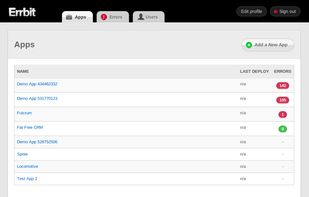
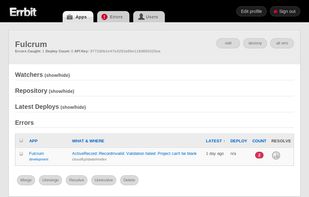
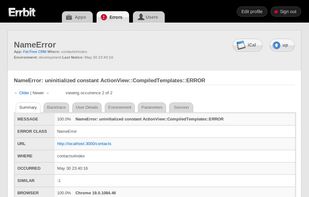
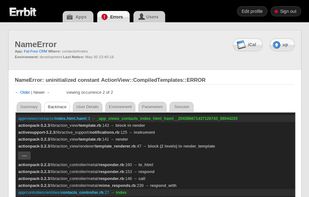
Errbit is a tool for collecting and managing errors from other applications. It is Airbrake (formerly known as Hoptoad) API compliant, so if you are already using Airbrake, you can just point the airbrake gem to your Errbit server.


Luciq is described as 'The leading agentic mobile observability platform, built for teams who are tired of fighting fires and want to ship faster' and is an app in the ai tools & services category. There are more than 25 alternatives to Luciq for a variety of platforms, including Web-based, SaaS, Android, Self-Hosted and iPhone apps. The best Luciq alternative is GlitchTip, which is both free and Open Source. Other great apps like Luciq are Sentry, BugHerd, Raygun and Quash Report.
Errbit is a tool for collecting and managing errors from other applications. It is Airbrake (formerly known as Hoptoad) API compliant, so if you are already using Airbrake, you can just point the airbrake gem to your Errbit server.


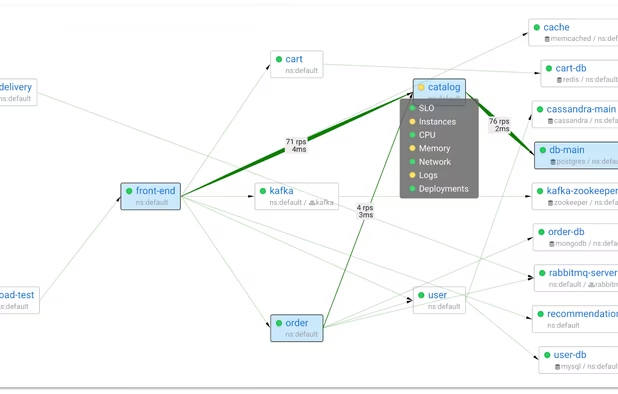
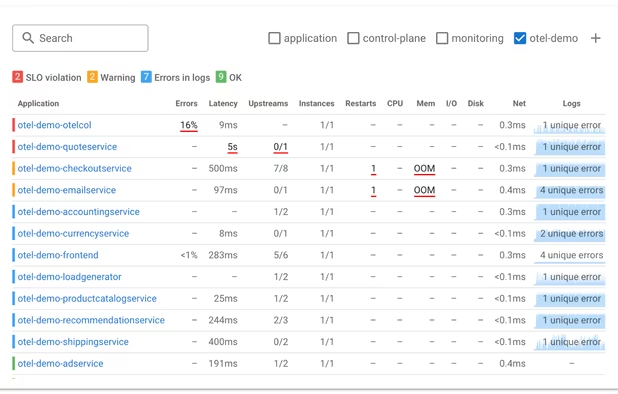
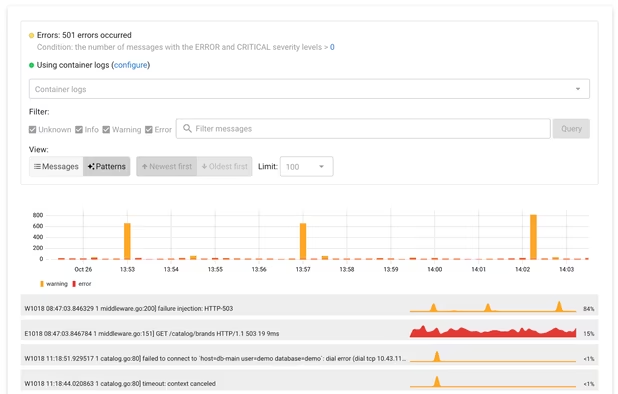
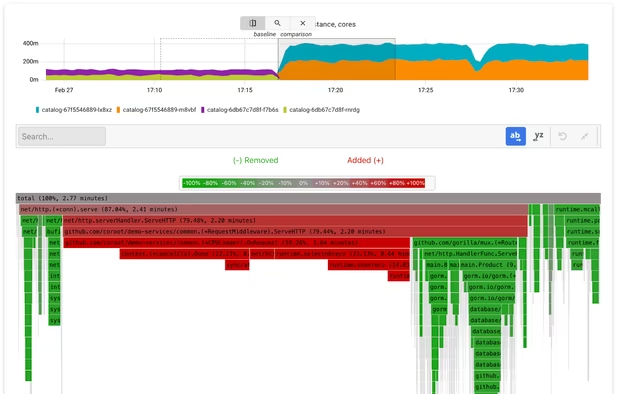
Coroot is an open-source observability and APM tool with AI-powered Root Cause Analysis. It combines metrics, logs, traces, continuous profiling, and SLO-based alerting with predefined dashboards and inspections.


Buglesstack is a debugging platform for browser automation tools like Puppeteer, Selenium, Playwright, and Cypress. It captures crash screenshots, HTML snapshots, and stack traces to help developers detect, log, and fix errors in headless browser scripts.


Bug reporting tool for mobile apps that helps testers to report bugs easier and enables developers to solve them faster. It offers user attachments, tags, usage data, activity history, and device details with every bug report.


Scoop catches and saves the stack traces of crashing apps and displays all crashes in a list so you don't have to look through annoyingly long logcats anymore.


Mothership provides a way for you to schedule automated backups and then sync with those backups in your local development environment as well as collect applications logs and ping your website regularly to ensure it is rendering.


Self-hosted error monitoring integrates with Sentry protocol, automates AI-generated code fixes, drafts pull requests, requires team review before merge, supports major languages, manages dependency vulnerabilities, and allows custom LLM API keys.