


Using AppImageKit you can package desktop applications as AppImages that run on common Linux-based operating systems, such as RHEL, CentOS, Ubuntu, Fedora, Debian and derivatives.
Cost / License
- Free
- Open Source
Platforms
- Linux
 Germany
 EU
EU


Apps similar to Flatpak include Homebrew, which is free and open source. Other options are Flathub, Bazaar App Store, Nix Package Manager and Zero Install. There's no shortage of Package Managers like Flatpak, with more than 25 alternatives for Linux, Mac, Windows, self-hosting and the web.
Using AppImageKit you can package desktop applications as AppImages that run on common Linux-based operating systems, such as RHEL, CentOS, Ubuntu, Fedora, Debian and derivatives.
GermanyEU
It will help you install Flatpak apps in a user-friendly way. We have recipes for some of them to install them even better.
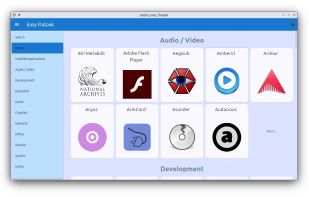
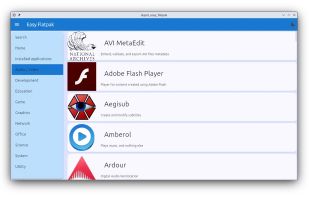
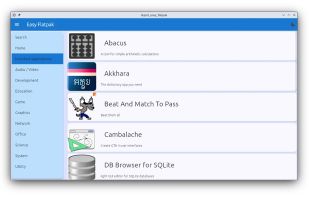
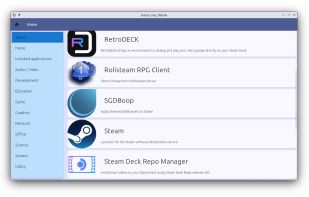


Open-source software that creates platform-independent build artifacts and provides built-in deployment and management capabilities.
 United States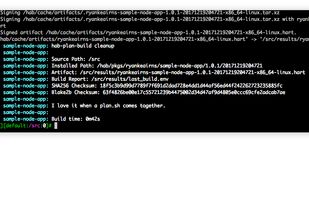


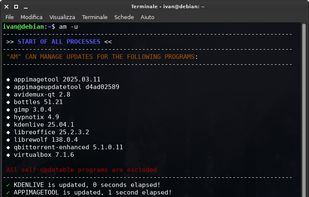
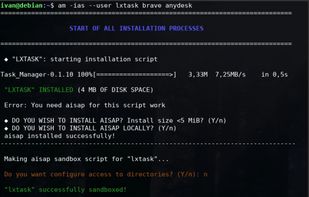
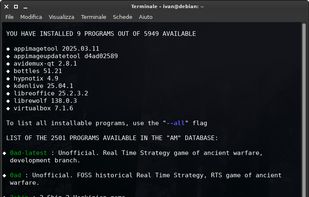
AUR-inspired database, and package manager to install, update (for real) and manage ALL AppImages and other portable formats for GNU/Linux, system-wide or locally, with the ease of APT and the power of PacMan.
 ItalyEU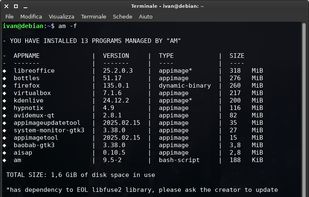


rkt is the next-generation container manager for Linux clusters. Designed for security, simplicity, and composability within modern cluster architectures, rkt discovers, verifies, fetches, and executes application containers with pluggable isolation.


Spack is a package manager for supercomputers, Linux, and macOS. It makes installing scientific software easy. Spack isn’t tied to a particular language; you can build a software stack in Python or R, link to libraries written in C, C++, or Fortran, and easily swap compilers or...


Flattool is a command line script designed to improve user experience with flatpaks. It streamlines flatpak management tasks, making them more efficient and user-friendly.


A modern, delicious implementation of the Nix package manager, focused on correctness, usability, and growth — and committed to doing right by its community.


Pacstall will attempt to become the AUR Ubuntu wishes it had. It takes the AUR and puts a spin on it, making it easier to install programs without scouring github repos and the likes.


To bring out the virtues of Gentoo on different operating systems, the Gentoo Prefix project develops and maintains a way of installing Gentoo systems in a non-standard location, designated by a "prefix".


