




Cloud Repatriation Analyzer
Like
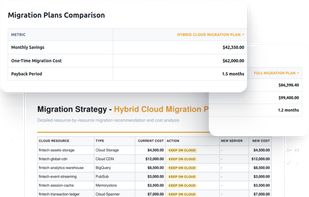
Analyzes AWS, GCP, Azure, and DigitalOcean workloads to determine cost savings of repatriation to bare metal, detects underutilized assets, flags managed services, and generates detailed reports with OpEx savings, TCO analysis, and migration action items.

Cost / License
- Pay once
- Proprietary
Platforms
- Online
- Software as a Service (SaaS)


Features
Highlights All activities
Cloud Repatriation Analyzer News & Activities
Recent activities
- Richard Larson updated Cloud Repatriation Analyzer
 Mauricio B. Holguin added Cloud Repatriation Analyzer as alternative to Hyperglance, Nutanix Beam, IBM Cloudability, CloudZero and 6 more
- Richard Larson added Cloud Repatriation Analyzer
- Mauricio B. Holguin updated Cloud Repatriation Analyzer
 Richard Larson added Cloud Repatriation Analyzer as alternative to CloudRunr


Developed by
 Yellowstone Labs
 Licensing
Proprietary and Commercial product.Pricing
One time purchase (perpetual license) that costs $249.Alternatives
11 alternatives listedBadge
Get an embeddable badge for Cloud Repatriation AnalyzerSupported Languages


No comments or reviews, maybe you want to be first?