

 United States
+3
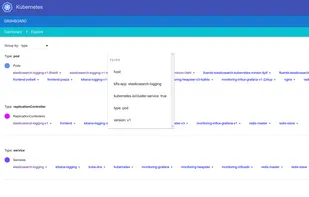


Atmo is described as 'Open source next-generation server application environment that uses the unique properties of WebAssembly to help you build delightful apps that are scalable, secure, and easy to deploy' and is an app. There are more than 10 alternatives to Atmo for a variety of platforms, including Linux, Web-based, Windows, Self-Hosted and Mac apps. The best Atmo alternative is Kubernetes, which is both free and Open Source. Other great apps like Atmo are Heroku, OpenShift, Rancher and Cycle.io.

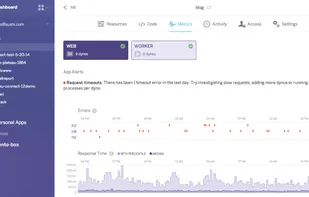
Heroku is a platform as a service (PaaS) that enables developers to build, run, and operate applications entirely in the cloud.


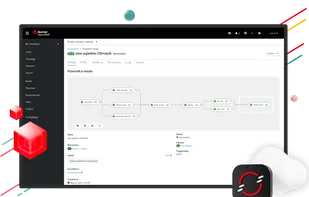
Red Hat OpenShift is a trusted, comprehensive, and consistent platform to develop, modernize, and deploy applications at scale, including today’s AI-enabled apps. Deliver better experiences faster with a complete set of services for bringing apps to market on your choice of infrastructure.


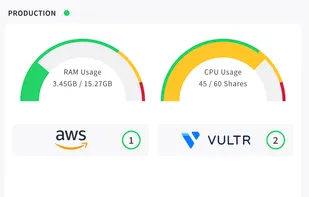
Rancher is an open source container management platform built for organizations that deploy containers in production. Rancher makes it easy to run Kubernetes everywhere, meet IT requirements, and empower DevOps teams.


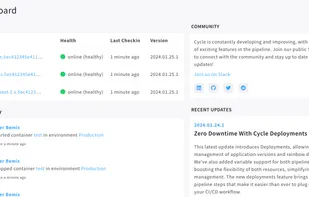
Cycle is the leading LowOps platform built to simplify containers, standardize infrastructure, and automate DevOps. Deploy to your own infrastructure whether it's in the cloud, on-prem, or a mixture of both. The power of Kubernetes, without Kubernetes.
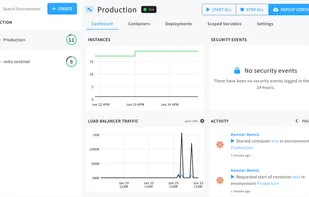


Imixs-Cloud is an open lightweight docker based container environment for business applications. The main objectives of this project are simplicity, transparency and operational readiness. Imixs-Cloud is based on a docker swarm.

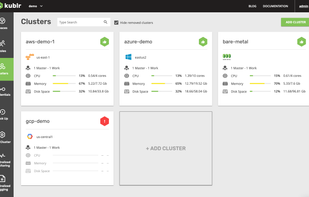
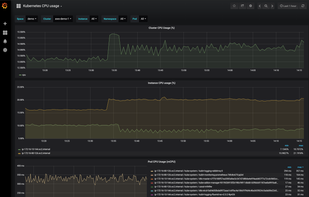
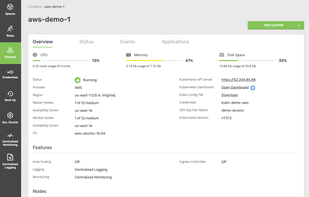
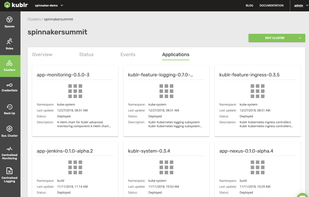
Kublr offers enterprise-grade secure, scalable, highly reliable Kubernetes clusters on AWS, Azure, GCP, vSphere, and on-premise. It includes out-of-the-box multi-cluster centralized Kubernetes operations, monitoring, and other enterprise features.


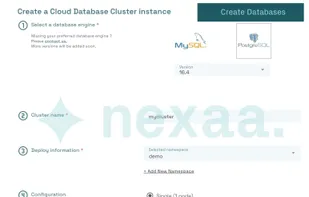
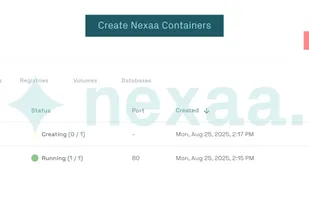
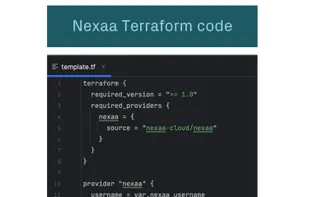
Nexaa is the easy-to-use-and-cost-friendly 100% European alternative for scaling and deploying containers.


Krustlet acts as a Kubelet by listening on the event stream for new pods that the scheduler assigns to it based on specific Kubernetes tolerations.


 Netherlands
 EU
EU