Apache Spark is a multi-language engine for executing data engineering, data science, and machine learning on single-node machines or clusters.
 United States



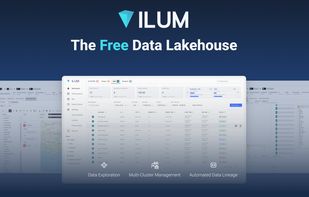
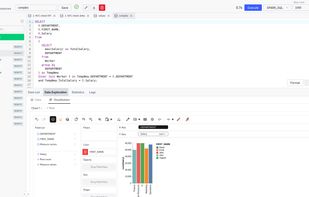
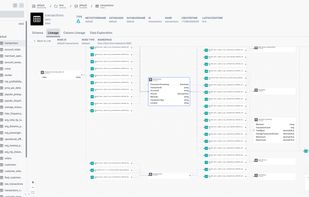
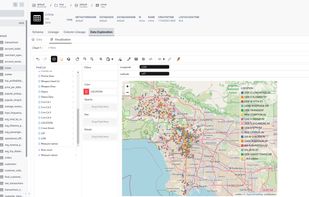
Apps similar to Apache Hadoop include Apache Spark, which is free and open source. Other options are Amazon Kinesis, Gigasheet, ILUM and Apache Flink. You can choose from more than 10 Cloud Computing Services like Apache Hadoop for Linux, Mac, Windows, the web and self-hosting.
Apache Spark is a multi-language engine for executing data engineering, data science, and machine learning on single-node machines or clusters.
United States
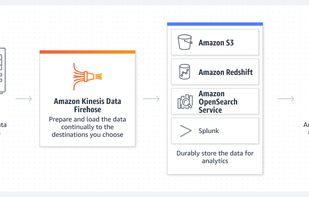
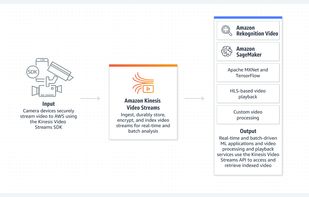
Amazon Kinesis services make it easy to work with real-time streaming data in the AWS cloud.
United States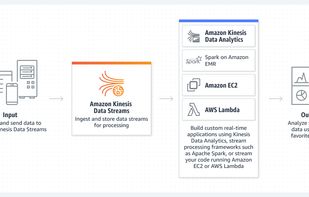


 United States


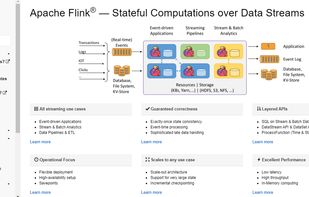
Flink’s core is a streaming dataflow engine that provides data distribution, communication, and fault tolerance for distributed computations over data streams.


Disco is a lightweight, open-source framework for distributed computing based on the MapReduce paradigm and written in Python.


HPCC Systems offers an open source cluster computing platform used to solve Big Data problems. Its unique architecture and simple yet powerful data programming language (ECL) makes it a compelling solution to solve data intensive computing needs.
United States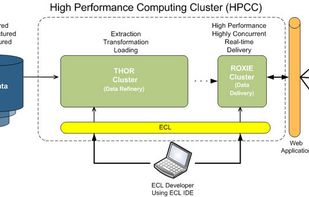

dispy is a Python framework for parallel execution of computations by distributing them across multiple processors on a single machine (SMP), among many machines in a cluster or grid. dispy is well suited for data parallell (SIMD) paradigm where a computation is evaluated with...

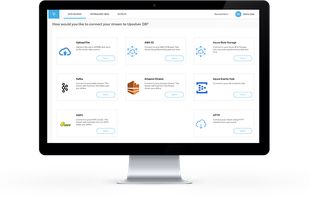
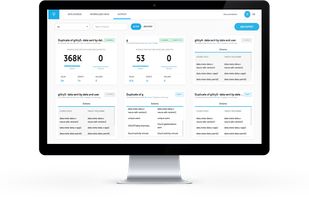
Upsolver is an In-Memory Data Preparation Platform. It removes the complexity from Big Data and Real-Time projects and shortens their implementation time from weeks/months to several hours, literally.
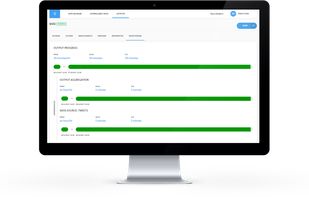


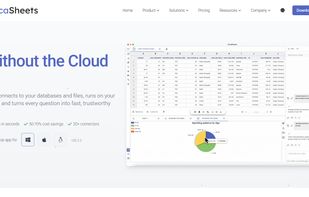
OrcaSheets is local-first analytics that runs on your laptop, letting you ask questions in plain English and get instant answers from unlimited data. Automate repetitive work, connect your databases, and eliminate cloud bills–all in a lightweight tool that keeps your data yours.
 India


Object storage has been nothing short of revolutionary. S3 broke ground in 2006 with simple storage operations on named objects – and 18 years later, S3 Express One Zone even allows appends. But ultimately, object storage is all about blobs and byte ranges.
United States