


Open-source and runs locally on your own machine rather than in a vendor's cloud. The pick for anyone who wants no lock-in at all.
Cost / License
- Free Personal
- Open Source
Application type
Platforms
- Mac
- Windows
- Linux
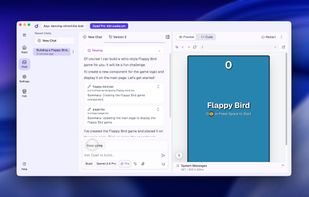

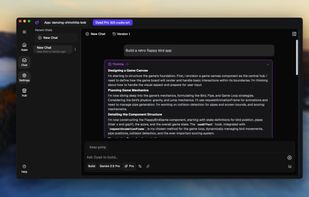

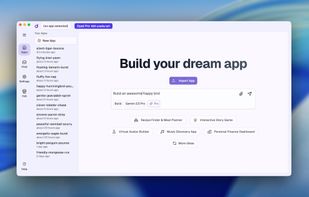


A lot of AI builders produce a good-looking frontend and stop there. This list is for the ones that generate the parts you actually need before anyone can use the thing: a real database, authentication, and a way to publish it.
The criterion is narrow on purpose — it is about what comes out of the first prompt, not about design or speed.
Open-source and runs locally on your own machine rather than in a vendor's cloud. The pick for anyone who wants no lock-in at all.

Generates a React frontend with a Node.js API, a PostgreSQL schema with migrations, and role-based auth, then pushes it to a GitHub repo you control.


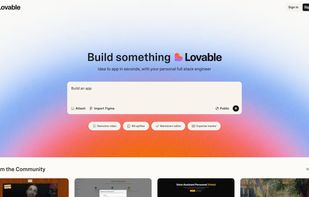
Prompt-to-app builder that outputs real code rather than a no-code abstraction, with a large set of third-party integrations available out of the box. Their own pages don't spell out what's included on the backend, so I can't say how much of the database and auth side you get.
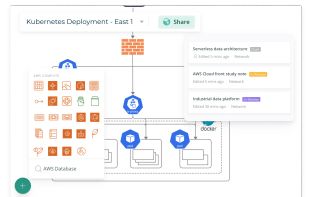
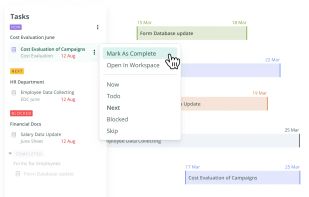
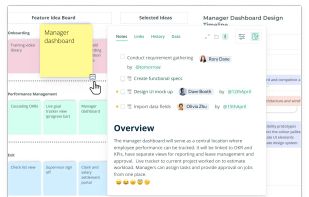

Full-stack AI builder where a Postgres database and authentication are built into the agent itself, so the backend comes out of the first prompt rather than being wired up afterwards.
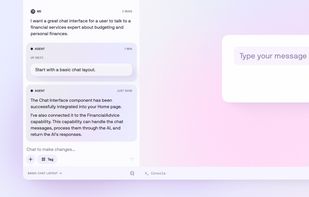
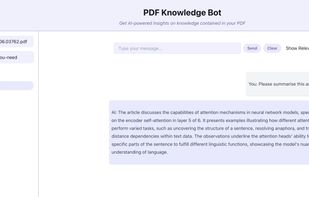
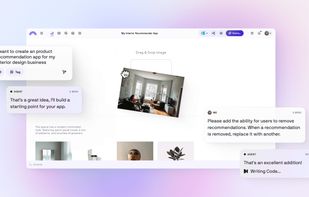

Started as a browser IDE and added an AI agent on top. Because editing, hosting and deploying all live in the same place, the whole loop stays in the browser.
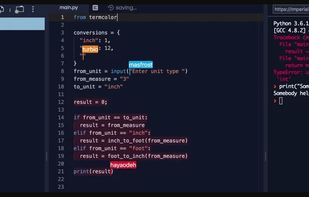
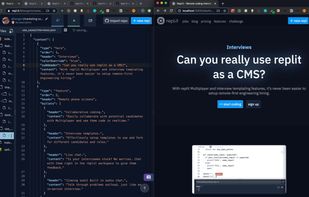

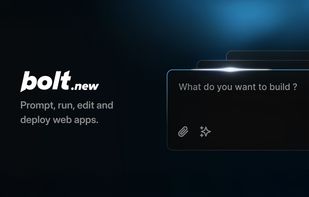
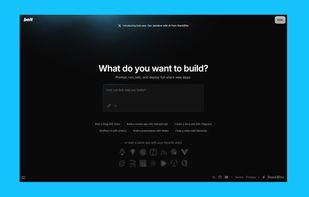
Browser-based AI builder from the StackBlitz team. The whole dev environment runs in the browser, so you go from prompt to running app without setting anything up locally.

Fastest of the builders I tried and the output looked polished. But in my own test the core function — actually completing a booking — required paying first, so what you get without a subscription is closer to a gated preview.
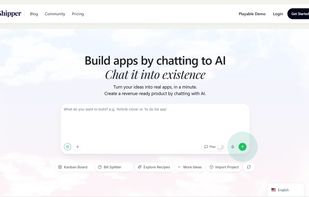
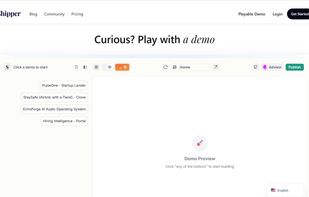
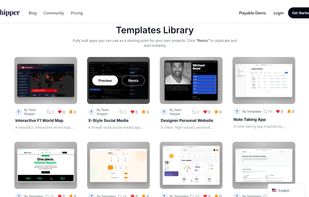
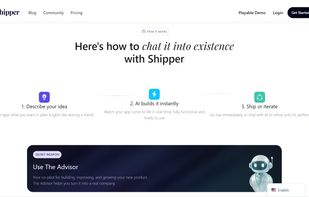


Credit-based, with Git sync to GitHub or GitLab on every plan including the free one. Worth knowing that one balance covers three things at once: building, hosting, and the AI calls your finished app makes.
The honest summary: most of these will produce something that works on the first try. Where they differ is what happens afterwards — whether you can export the code and take it elsewhere, what a busy app costs to run once real users are on it, and whether the free tier renews every month or runs out once and stops.
Those three questions separated them more than any feature list did.


