Cost / License
- Free
- Proprietary
Application type
Platforms
- Online
91
914ian914’s noteThe cryptocurrency companion to IPFS which will incentivize users to provide storage and bandwidth.


In-development apps that might someday change the way we use the internet. Sorted from most promise to least.
The cryptocurrency companion to IPFS which will incentivize users to provide storage and bandwidth.

IPFS is a global, versioned, peer-to-peer filesystem. It combines ideas from Git, BitTorrent, Kademlia, SFS, and the web. It is like a single bittorrent swarm, exchanging git objects. IPFS provides an interface as simple as the HTTP web, but with permanence built in.
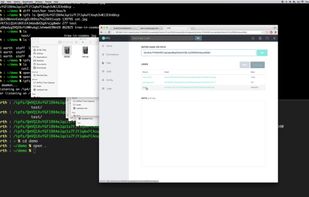
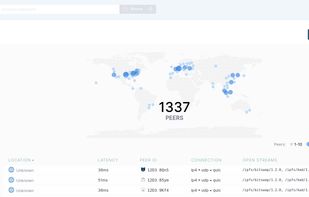
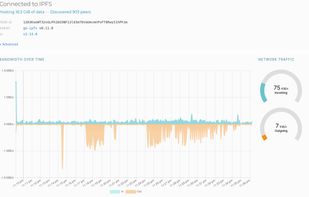
A decentralized, global filesystem intended for hosting web content. Content published using IPFS is accessible from anywhere as long at least one person has downloaded the files and is running an IPFS node. Currently the software works very well, and several sites are already taking advantage of it. However, it currently is not in mainstream use.

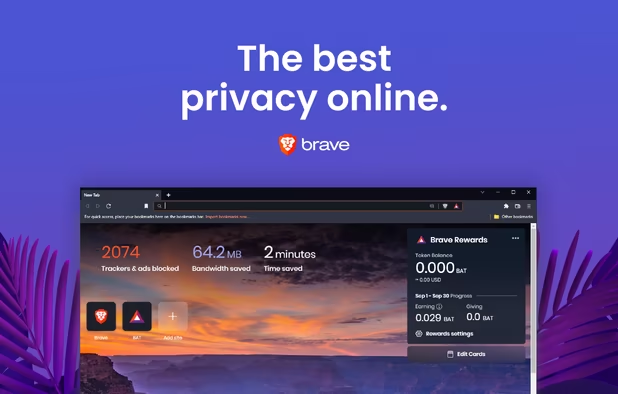
Fast, secure browser with built-in ad block, privacy controls, and global tracking protections. Optimizes data, speed, and battery life.



A Chrome-based web browser designed for privacy and blocking ads. It can automatically donate cryptocurrency to websites.

Follow My Vote's ambition is to build a secure online voting platform that will allow for greater election transparency.

Storj Object Storage is a distributed cloud object storage which is fully Amazon S3-compatible, globally distributed and encrypted.
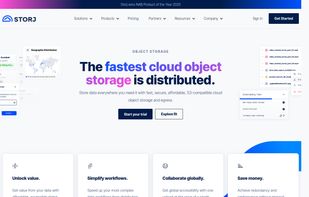
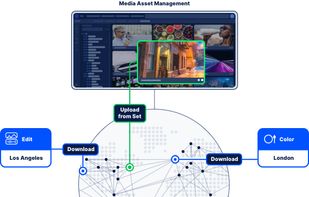
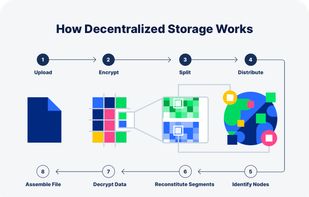
A cheap, cloud storage solution that allows anyone to securely store data by encrypting and distributing it to other Storj users. It uses it's own cryptocurrency to allow individuals to sell unused disk space. Right now it has a friendly GUI for those who wish to rent their disk space, but with the available file-uploading clients I have not been able to make use of it yet. Supposedly it is integrated into FileZilla, but I the latest version installed on Ubuntu 16.04 and there is no such feature

A non-censored social platform where users are incentivized to contribute and curate content. The users decide what is valuable by voting, and content regarded valuable is rewarded with money.



Golem is a global, open sourced, decentralized supercomputer that anyone can access. It's made up of the combined power of user's machines, from personal laptops to entire datacenters.

Hypercore Protocol is a peer-to-peer data network built on the Hypercore logs. Hypercores are signed, append-only logs. They're like lightweight blockchains without the consensus algorithm. As with BitTorrent, as more people "seed" a dataset it will increase the...
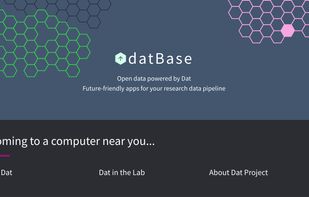
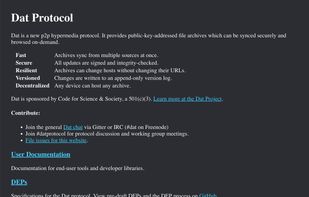
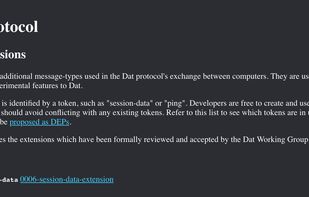
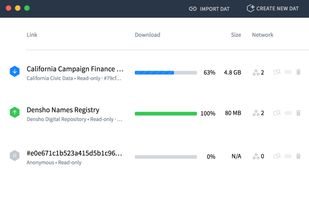
It is very similar to IPFS and can be used as a decentralized web hosting platform, but it has a few different design goals.

Cjdns is a networking protocol and reference implementation, founded on the ideology that networks should be easy to set up, protocols should scale up smoothly, and security should be ubiquitous.
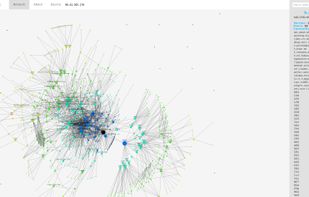
A networking protocol that could support a decentralized internet infrastructure.

A self-sovereign identity and user-centric data platform: the keys to the digital world you've always wanted.


Designed for secure, efficient, accessible, decentralized identification system that could be used for authentication without having to remember passwords or confirming an email address.

Mesh-networking technology that would allow for a decentralized internet. Users could load their router with cryptocurrency, and it would automatically buy and sell bandwidth at competitive prices.

OpenBazaar is an open source project to create a decentralized network (peer to peer) for online commerce —using cryptocurrencies (Bitcoin, Bitcoin Cash, Litecoin, and Zcash)— that has no fees and cannot be censored.


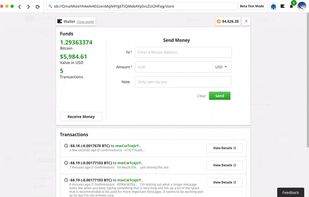
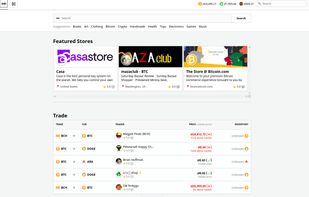
It allows individuals to run their own online stores for free and buy goods from a decentralized online market without fees or limitations. Currently it seems that few people use it.

A decentralized cloud storage platform like Storj.

Stacks -Formerly Known as Blockstack- is a new decentralized internet where users own their data and apps run locally. Take back control over your digital life. A browser portal is all you need to get started.


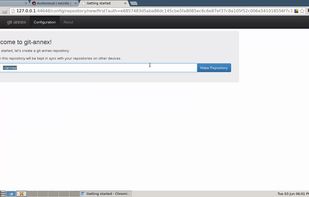
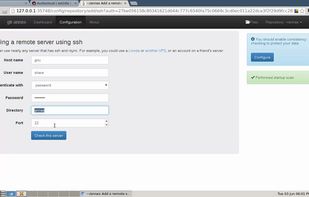
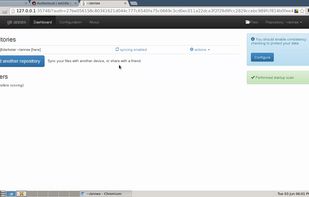
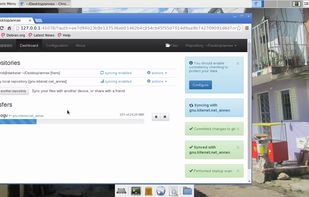
A distributable file-syncing and versioning system that works like git and supports multiple cloud storage platforms.

Beaker is a an experimental peer-to-peer web browser based on Hyper protocol. It's licensed MIT, and supports plugins for adding new protocols and Web APIs.
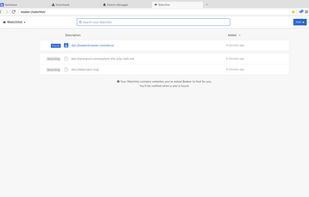
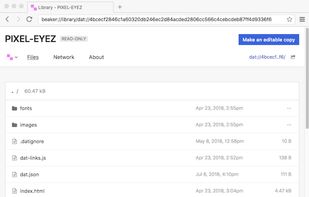
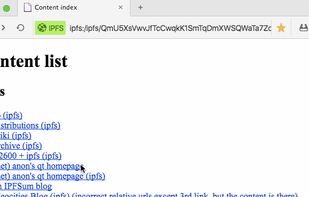
A web browser based on Chromium that allows anyone to publish to and modify the decentralized web for free. As far as I can tell, the decentralized web does not yet have much to offer.

Tribler is an application that enables its users to find, enjoy and share content. With content we mean video, audio, pictures, and much more. Tribler has three goals in helping you, the user: find, consume and share content.
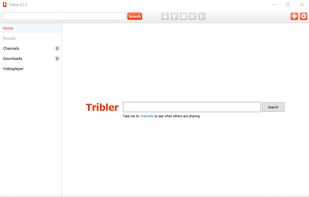
Finds torrents without websites.
Ori is a distributed file system built for offline operation and empowers the user with control over synchronization operations and conflict resolution. We provide history through light weight snapshots and allow users to verify the history has not been tampered with.
Would allow you to store your data on multiple systems and access it like a regular filesystem. Currently it relies on SSH and FUSE, and it doesn't work very well.

GNUnet is a framework for secure peer-to-peer networking that does not use any centralized or otherwise trusted services. A first service implemented on top of the networking layer allows anonymous censorship-resistant file-sharing.
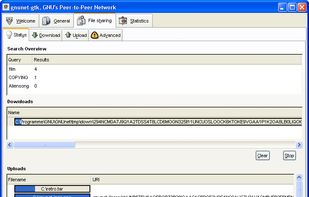
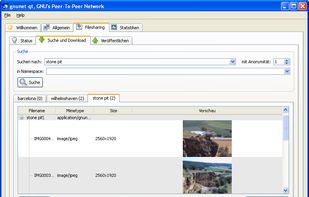
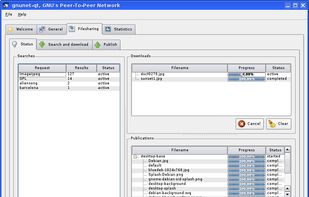
An anonymous, peer-to-peer network. It hasn't been updated since 2014, and I've never gotten it to work.
No comments so far, maybe you want to be first?