Comet UI is a collection of handcrafted, interactive, and accessible UI components that 10x dev speed. Made with Headless UI, Tailwind CSS, React, and Framer Motion.
Cost / License
- Pay once
- Proprietary
Since
- Since 2024


Apps similar to Material UI include Bootstrap, which is free and open source. Other options are Tailwind CSS, Semantic UI, Foundation and UIkit. CSS Frameworks like Material UI are a crowded field, with more than 100 alternatives for the web, self-hosting, Mac, Windows and Linux.
Comet UI is a collection of handcrafted, interactive, and accessible UI components that 10x dev speed. Made with Headless UI, Tailwind CSS, React, and Framer Motion.

FlyonUI is designed to combine the best of both worlds: the aesthetic appeal of semantic classes and the powerful functionality of JS plugins.
 India


Free and premium components, elements and layouts Beautifully crafted with Tailwind CSS — Simple & easy to customise.


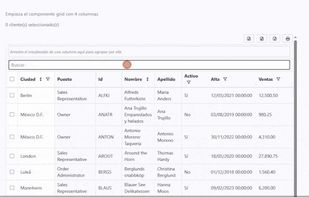
Standalone Angular data grid - sorting, filtering, grouping, virtual scroll, inline editing, CSV/Excel/PDF export, i18n, theming. MIT, small dependency footprint. Also availe for React.
 Italy
 EU



Oat is an ultra-lightweight HTML + CSS, semantic UI component library with zero dependencies. No framework, build, or dev complexity. Just include the tiny CSS and JS files and you are good to go building decent looking web applications with most commonly needed components and...
India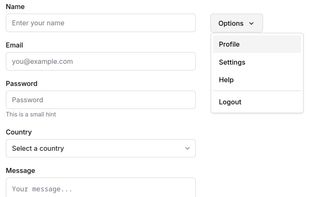


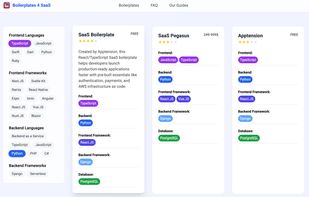
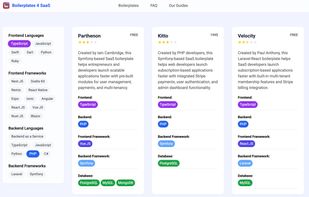
A curated directory of boilerplates for developers who want to kickstart projects faster.
🔍 Filter by stack: Quickly find the right frontend + backend combo. ? Save time: No more digging through dozens of repos — everything’s in one place.
 FranceEU



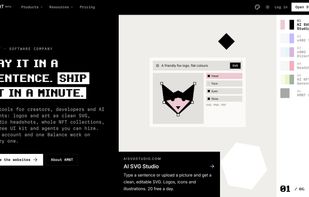
AMNT UI is a free, MIT-licensed design system for Next.js and Tailwind. It includes 50+ UI parts, light and dark design tokens, a Tailwind preset, keyboard support, responsive layouts, and screen-reader labels.
 United Kingdom


Build material design in record time without stress for devs. We are translating a modern UI into HTML semantic standard.


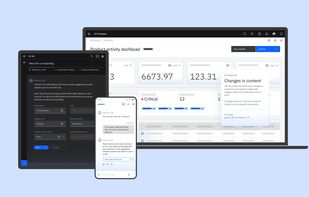
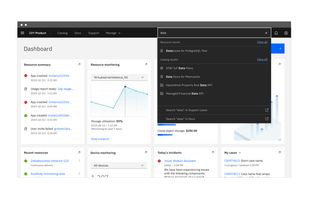
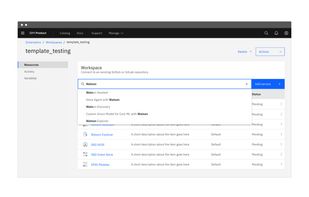
Carbon is IBM’s open source design system for products and digital experiences. With the IBM Design Language as its foundation, the system consists of working code, design tools and resources, human interface guidelines, and a vibrant community of contributors.


 Netherlands