Leviia Next
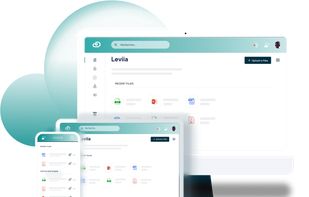
Leviia Next is a sovereign collaboration platform based on Nextcloud, offering secure file storage, sharing, and teamwork, all hosted in France, with full GDPR and ISO 27001 compliance.
Cost / License
- Subscription
- Proprietary
 EU
EUPlatforms
- Mac
- Windows
- Linux
- Online
- Android
- iPhone
- Android Tablet
- iPad
- Software as a Service (SaaS)



Leviia Next
Features
Properties
- Privacy focused
- Lightweight
- Support for Themes
Features
- Two-factor Authentication
- VoiP Calls
- Calendar View
- File Versioning
- Shared Folders
- Reminders
- Support for @mentions
 Sync with Google Calendar
- Encrypted Backup
- WYSIWYG Support
- Subtasks
- File Tagging
- Hierarchical Structure
- Selective Synchronization
- Multiple Account support
- End-to-End Encryption
- Ad-free
- Kanban Board
- No Tracking
- Online collaboration
- File Storage
- Team Collaboration
- Collaborative Workspaces
Tags
- cloud-drive
Leviia Next News & Activities
Recent activities
- Leviia updated Leviia Next
- Leviia updated Leviia Next
- Leviia updated Leviia Next
- Leviia added Leviia Next
- POX updated Leviia Next
Leviia Next information
Developed by
 Leviia
 Licensing
Proprietary and Commercial product.Pricing
Subscription ranging between $3 and $20 per month.Alternatives
0 alternatives listedSupported Languages
- English
- French
AlternativeTo Categories
Office & Productivity, Backup & Sync, Security & Privacy, Social & Communications, File Management, File Sharing, Remote Work & EducationApple AppStore
- Updated
- 5 avg rating
What is Leviia Next?
Leviia Next is a sovereign, secure, and privacy-first collaboration platform designed for organizations that value full control over their data. Built on a trusted open-source foundation (Nextcloud), Leviia Next offers a complete suite of tools for storing, sharing, and working on files as a team, including real-time co-editing, calendar and contact management, secure messaging, and video conferencing.
Hosted exclusively in France in ISO 27001 and HDS-certified datacenters, Leviia Next ensures compliance with GDPR and national data protection standards. It’s an ideal solution for public institutions, regulated industries, and any organization looking to escape foreign cloud dependency without compromising on user experience or productivity.
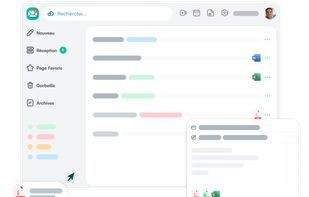
With its intuitive interface and rich feature set, Leviia Next brings the ease of use of mainstream collaboration tools, without the vendor lock-in, the privacy trade-offs, or the data sovereignty risks.